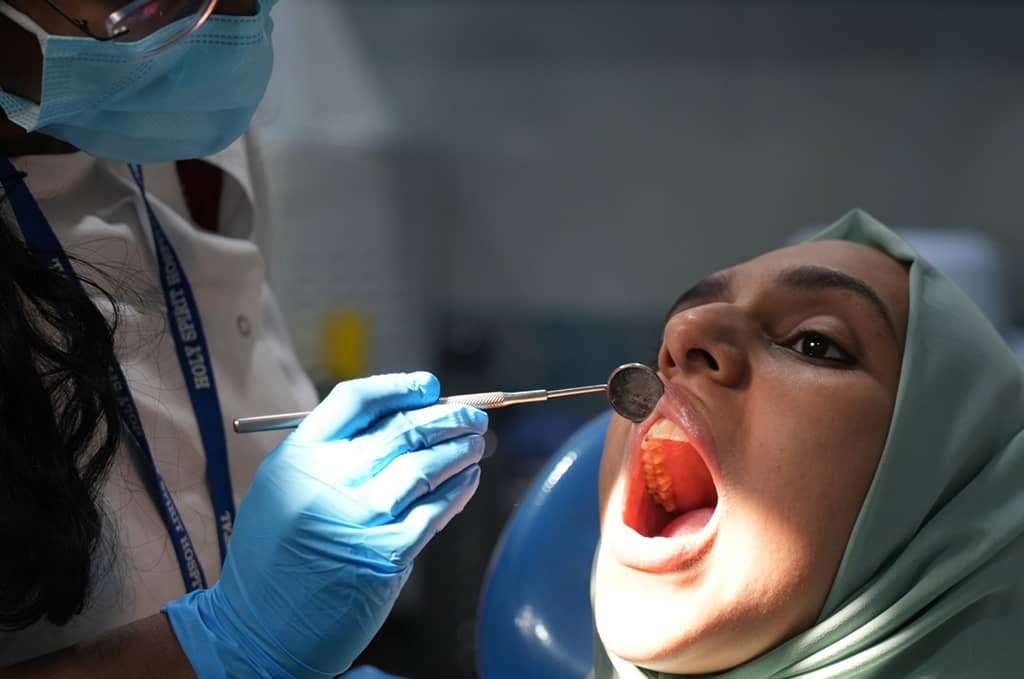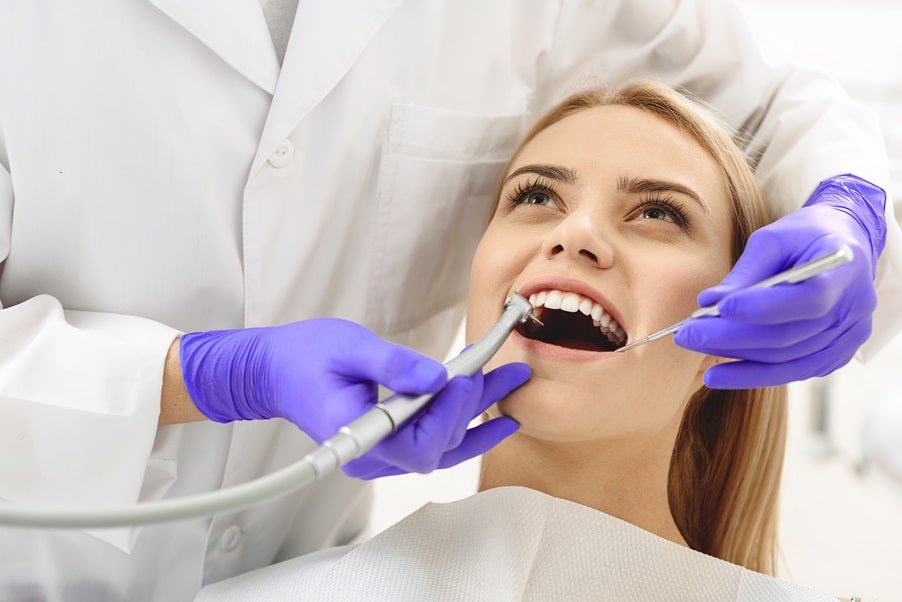






Your smile carries your story. When you think about whitening, veneers, or other changes, you might feel both hope and pressure. You may also wonder where to start. A trusted family dentist is the safest first step. You already share your history, your habits, and your worries there. That matters. A family dentist knows your teeth, gums, bite, and medical needs. That knowledge protects you from rushed choices and regret. First, you get a clear picture of your oral health. Next, you learn which cosmetic options will last for you, not just look good for a moment. Finally, you create a simple plan that fits your daily life and budget. This is how Fairhope cosmetic dentistry should begin. With care, honesty, and a focus on long term health before surface changes.
Start With Health Before Appearance
Cosmetic changes work best on a healthy mouth. If you skip this step, you risk pain, infection, and more cost later. You also risk losing the result you paid for.
A family dentist helps you answer three hard questions before you choose any cosmetic work:
- Are your gums healthy enough to support cosmetic changes
- Are there hidden cavities or cracks under old fillings
- Is your bite strong and stable or does it need correction first
The Centers for Disease Control and Prevention shows that untreated tooth decay and gum disease are common in both adults and children. That means many people need repair before they think about whitening, bonding, or veneers.
Cosmetic work on weak teeth is like paint on a damaged wall. It may look fine at first. Over time, the damage shows through. Family care prevents that.
Why Your Family Dentist Is The Safest Guide
Your family dentist has one goal. Protect your mouth for life. That focus gives you a clear path when you think about changes to your smile.
Here is how a family dentist supports you before cosmetic choices:
- Reviews your full history, including past cavities, gum treatment, and grinding
- Checks your current oral health with exams and X rays if needed
- Talks with you about your goals, fears, and budget
- Explains risks and limits of each cosmetic option
- Plans care for your whole family so treatments do not conflict
This steady relationship also helps your children. They see you talk openly about your teeth. They learn that healthy care comes first. Appearance comes after.
How Family Care And Cosmetic Goals Work Together
Routine cleanings and checkups are not simple chores. They are the base for any safe cosmetic plan. Each visit gives your dentist fresh information about how your teeth and gums respond to daily life.
During family visits, your dentist can:
- Track staining patterns to see if whitening will hold
- Watch for grinding that could chip veneers or bonding
- Check gum levels to see if your smile line will look even
- Adjust home care plans to protect any future cosmetic work
The National Institute of Dental and Craniofacial Research shows that gum disease often has few clear signs in early stages. Regular family visits catch these changes early. That protection keeps your cosmetic results steady.
Comparing Common Cosmetic Options With Family Dentistry Support
The table below shows how a family dentist can guide you through common cosmetic choices.
|
Cosmetic Option |
Main Goal |
Best Starting Point In Family Care |
Key Questions To Ask |
|---|---|---|---|
|
Teeth whitening |
Lighten stains |
Recent cleaning and cavity check |
Are my gums healthy and free from sensitivity |
|
Dental bonding |
Fix chips and small gaps |
Cavity free teeth and stable bite |
Will my grinding or biting habits break the bonding |
|
Porcelain veneers |
Change shape, color, and size |
Strong enamel and controlled gum disease |
How long will they last with my home care |
|
Clear aligners |
Straighten teeth |
Healthy gums and no active decay |
Will moving my teeth affect any crowns or fillings |
|
Crowns |
Strengthen and improve look of damaged teeth |
Full exam and X rays to check roots |
Is a crown needed or would a simpler option work |
Step By Step Path From Family Visit To Cosmetic Change
You do not need to guess about your next step. A clear path can ease stress and protect your money and time.
Use this simple order:
- Schedule a full family checkup and cleaning
- Ask for an honest review of your oral health
- Fix urgent problems like cavities or gum infection
- Discuss your cosmetic goals and rank them by importance
- Review options that fit your health, timeline, and budget
- Start with the least invasive choice that meets your goal
- Plan follow up visits to protect the result
This order keeps you safe. It also reduces the chance that a cosmetic result fails because of old, hidden problems.
Protecting Your Investment Over Time
Cosmetic care costs money and time. You deserve results that last. Family dentistry helps you keep that promise to yourself.
After treatment, your family dentist will:
- Set a cleaning schedule that protects your new work
- Check for early wear on veneers, bonding, or crowns
- Adjust mouthguards for grinding or sports if needed
- Update X rays to watch roots and bone support
Regular visits also help you adjust home habits. You may need to change brushing tools, floss choices, or diet to keep stains and decay away from new work.
Why Starting With Family Care Brings Peace Of Mind
Cosmetic changes touch your sense of self. They also affect how you eat, speak, and smile in front of others. That weight can stir fear and doubt.
A strong family dental home gives you:
- Clear facts instead of rumors from social media
- Honest talk about risks and limits
- Support for your whole family, not just one person
You deserve a smile that feels safe and true to you. When you start with family dentistry, you protect your health and your heart at the same time. You choose change with full knowledge, not pressure. You stand on a firm base before you ask for anything brighter or straighter. That care first approach keeps your story in your smile, not regret.