





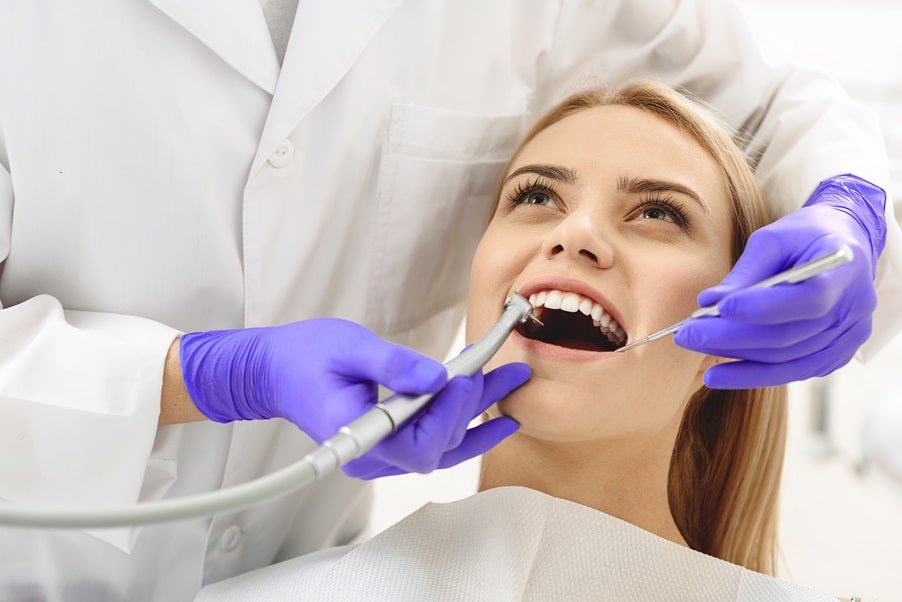
Orthodontic choices can feel heavy. You want a straight, healthy smile for your child or yourself, but the options and costs can confuse you. A family dentist helps you sort through that noise. You already trust this person with cleanings and checkups. Now you can also lean on that same support when you face braces, clear aligners, or even dental implants in Rockingham, NC. A family dentist knows your history, your habits, and your worries. That knowledge shapes clear advice about timing, treatment length, and what fits your life. You get honest talk about pain, benefits, and long term care. You also get someone who can coordinate with orthodontists and explain every step in plain words. This guidance gives you less fear and more control when you choose what comes next.
How Your Family Dentist Starts The Conversation
You do not need to wait for crooked teeth to ask questions. Your family dentist can start orthodontic talks during regular visits. That early start lowers fear and surprise.
During a routine check, your dentist can:
- Look at jaw growth and tooth position
- Ask about chewing, speech, or mouth pain
- Review habits like thumb sucking or mouth breathing
Early checks matter. The American Association of Orthodontists suggests the first orthodontic check by age 7.
Your dentist turns these findings into simple language. You hear what looks normal, what might change on its own, and what needs a closer look. You walk out with a clear next step, not a cloud of worry.
Seeing The Whole Picture Of Your Health
A family dentist sees more than teeth. You bring that person your health history, your medicines, and your stress. That full picture helps guide orthodontic choices.
Your dentist can weigh:
- Growth patterns and family traits
- Existing fillings, crowns, or missing teeth
- Grinding, clenching, or jaw joint pain
- Chronic health problems that may affect healing
This broad view matters when you face choices like braces, clear aligners, or surgery. One option might look quick on paper but clash with your jaw pain, your schedule, or your budget. Your dentist can show those tradeoffs before you sign any forms.
Comparing Common Orthodontic Options
Orthodontic ads often show perfect smiles and short timelines. Real life looks different. Your family dentist can help you compare choices in a blunt and honest way.
|
Option |
What It Is |
Common Use |
Daily Impact |
Typical Treatment Length* |
|---|---|---|---|---|
|
Metal braces |
Brackets and wires on teeth |
Most bite and crowding problems |
Harder brushing. Food limits. |
18 to 36 months |
|
Ceramic braces |
Tooth colored brackets |
Similar to metal with less show |
Stain risk. Extra cleaning. |
18 to 36 months |
|
Clear aligners |
Removable plastic trays |
Mild to moderate problems |
Must wear 20 to 22 hours daily |
6 to 24 months |
|
Orthodontic care with implants |
Tooth replacement with titanium roots |
Missing teeth with bite problems |
Surgery visits. Healing time. |
Several months to over a year |
*Time ranges are general and depend on age, problem type, and daily care.
Your dentist can place your own mouth into this table. You see where your case fits and where it does not. That direct comparison makes the choice less emotional and more clear.
Timing The Right Moment To Start
Many parents ask if they should wait or start now. Your family dentist can answer that with facts, not guesswork.
During visits, your dentist can:
- Track changes year by year with photos and X rays
- Watch for crowding that gets worse over time
- Check if baby teeth fall out on schedule
Sometimes early action prevents bigger problems. Other times waiting saves money and stress. Your dentist can show you both paths. You hear what happens if you treat at age 9, at 12, or later as an adult. That straight talk helps you match care with your child’s growth and your family’s limits.
Sorting Through Risks, Pain, And Costs
Every option has tradeoffs. Your family dentist can help you look them in the eye.
You can talk openly about:
- Pain during adjustments or aligner changes
- Risk of tooth decay if cleaning slips
- Chance of root shortening with longer treatment
- Impact on speech or sports
- Cost ranges and insurance limits
Your dentist can also walk through long term effects. Straight teeth can be easier to clean. That may lower the chance of cavities and gum disease.
These facts do not tell you what to do. Instead they give you a stable base for your choice.
Working As A Team With The Orthodontist
Your family dentist and your orthodontist should work as a team. That teamwork protects your mouth over the long haul.
Your dentist can:
- Send clear records and X rays
- Explain your health history to the orthodontist
- Review the proposed plan and raise questions
- Help watch for side effects during regular cleanings
If something feels off, you do not stand alone between two offices. Your dentist can speak up for you. That support is especially useful for children and teens who may not describe pain or fear in detail.
Guiding Daily Care During Treatment
Once treatment starts, life gets harder on your mouth. Brackets and wires trap food. Aligners demand strict wear. Your family dentist can guide you through that strain.
You can expect help with:
- Brushing and flossing methods that work with braces
- Safe fluoride use to protect weak spots
- Foods to avoid and safe snacks to choose
- Managing mouth sores and irritation
Routine care becomes more effective when your dentist and orthodontist share a plan. You gain clear rules that match your treatment and your home life.
Supporting Children And Teens Emotionally
Orthodontic care can hit a child’s self worth. Metal on teeth, speech changes, and pain can stir shame or anger. Your family dentist can help you support your child through that storm.
During visits, your dentist can:
- Speak directly to your child and hear concerns
- Use plain language to explain what will happen next
- Give small, concrete goals for daily care
This steady support shows your child that treatment is a shared effort, not a punishment. You also get clear words you can repeat at home when your child feels worn down.
When To Ask For A Second Opinion
Sometimes a treatment plan feels too long, too costly, or too vague. Your family dentist can help you decide when a second opinion makes sense.
You can ask your dentist to:
- Review the plan step by step
- Explain which parts are standard and which are extra
- Point out other options that might meet your goals
This review does not attack the orthodontist. It protects you and your family. You deserve to feel clear and steady before you commit to any major change.
Taking Your Next Step
You do not need to know every term or every tool. You only need to know your goals and your limits. Your family dentist can turn that into a safe path forward. Start by asking one simple question at your next visit. Ask if your teeth or your child’s teeth might benefit from orthodontic care. Then listen. That first honest talk can ease fear and open a path toward a smile that feels strong and secure.