



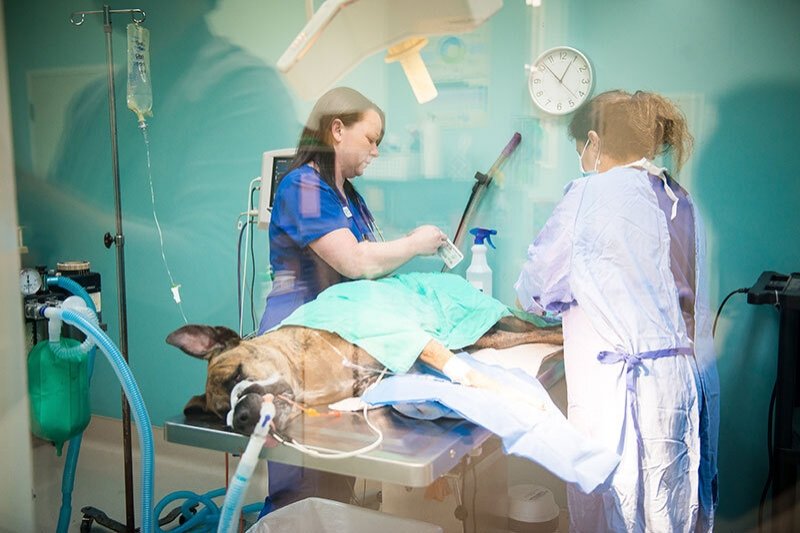
You want your pet to stay healthy and live longer. Early disease detection is the strongest way to protect that hope. An animal hospital is where small changes get noticed before they turn into crises. A cough, a limp, weight loss, or a quiet mood can signal heart disease, cancer, or organ failure. You might miss these signs at home. Trained staff do not. Regular visits, blood tests, and simple checkups at an animal hospital in Bedford can reveal hidden problems while treatment is still possible and less harsh. Early answers mean less pain for your pet, lower costs for you, and fewer hard choices later. This blog explains how animal hospitals spot disease early, what you should watch for at home, and when to seek help fast. You deserve clear guidance. Your pet deserves early care.
Why early detection matters for your pet
Many common pet diseases grow in silence. Heart disease, kidney disease, diabetes, dental disease, and cancer often start with no clear signs. You see a happy pet. Inside, damage builds.
The American Veterinary Medical Association shares that regular exams help find problems before they become hard to treat.
When disease is found early, you usually get three key benefits.
- More treatment options
- Lower total cost over time
- Less pain and stress for your pet
Late detection often means sudden emergencies, long hospital stays, and hard choices. Early visits to an animal hospital cut that risk.
What happens during an early detection visit
A routine visit is more than a quick look. Staff use sight, touch, and simple tools to search for small clues. Each step has a purpose.
- Health history. You share changes in eating, drinking, weight, breath, sleep, or behavior.
- Physical exam. The team checks eyes, ears, mouth, skin, heart, lungs, belly, joints, and weight.
- Blood and urine tests. These tests can show infection, organ strain, diabetes, or anemia before signs appear.
- Fecal test. This test checks for worms and other parasites that drain health.
- Dental check. Gum disease links to heart, liver, and kidney damage.
- Imaging when needed. X rays or ultrasound can reveal tumors, stones, or hidden injury.
The U.S. Food and Drug Administration explains how lab tests help detect pet disease early.
How often you should visit an animal hospital
The right schedule depends on age and health. This simple guide helps you plan.
|
Pet life stage |
Typical visit frequency |
Main early detection goals |
|---|---|---|
|
Puppies and kittens |
Every 3 to 4 weeks until vaccines finish |
Track growth, prevent infections, check for birth defects and parasites |
|
Healthy adult pets |
Once a year |
Catch weight changes, heart issues, early dental disease, and early organ strain |
|
Senior pets |
Every 6 months |
Find cancer, kidney and liver disease, arthritis, and memory decline early |
|
Pets with chronic disease |
As advised, often every 3 to 6 months |
Watch disease control, adjust drugs, prevent sudden crises |
You do not need to wait for a clear problem. Regular checks give the staff a baseline for your pet. Then even tiny shifts stand out.
Early signs you should never ignore
You live with your pet every day. You see the first hints of change. Some signs feel small yet often point to disease.
- Eating less or more
- Weight loss or weight gain
- Drinking or urinating more
- Coughing, labored breathing, or noisy breathing
- Bad breath or drooling
- New lumps or bumps
- Limping or stiff movements
- Hiding, aggression, or confusion
- Vomiting or loose stool that lasts more than a day
If you see any of these, contact an animal hospital soon. Do not wait for the sign to pass. Many serious problems come and go early on. Waiting gives the disease time to spread.
How animal hospitals use tests to see the unseen
Some disease signs stay hidden inside the body. Staff use simple tests to see what you cannot.
- Blood chemistry. Shows how kidneys, liver, and pancreas work.
- Complete blood count. Checks red and white blood cells and platelets.
- Urinalysis. Shows kidney function, infection, and diabetes.
- Heartworm and tick tests. Catch life threatening infections before organ damage.
- Thyroid tests. Common for older cats and dogs with weight or energy changes.
These tests often pick up disease months before clear signs. That time gap can change the outcome for your pet.
The cost of waiting versus the cost of early care
Money weighs on every care choice. Still, waiting often costs more in the end. This comparison shows how early checks can protect both your budget and your peace of mind.
|
Type of care |
Typical features |
Impact on pet |
Impact on cost |
|---|---|---|---|
|
Early detection visit |
Exam, basic tests, vaccines if due |
Problem found before pain or crisis |
Predictable cost, shorter treatment |
|
Emergency visit after delay |
Intensive care, imaging, possible surgery |
Higher risk, more fear, longer recovery |
High sudden bills, more time off work |
Routine checks are not a luxury. They are a practical shield against sudden loss and deep regret.
How you and the animal hospital work as a team
Early detection works best when you and the hospital share the work.
- You watch for changes and keep notes on what you see.
- You keep vaccine and visit schedules.
- You ask direct questions about risk for your pet’s breed, age, and lifestyle.
In turn, the staff explains what they find in clear terms. They show you what to watch for at home. They guide you through each next step.
Taking the next step for your pet’s future
You cannot control every threat to your pet. You can control how soon disease is found. Each routine visit to an animal hospital cuts the risk of silent damage. It gives your pet a stronger chance at more years of comfort.
Schedule a checkup before a crisis forces your hand. Ask for blood work. Ask about dental health. Ask how often your pet should return. Early detection is not about fear. It is about respect for the bond you share and the quiet promise to protect that life while you still can.