




In emergencies, every second counts. You might feel scared and unsure when your pet faces a crisis. Understanding the role of animal clinics can offer peace. These clinics serve as lifelines, especially when unexpected health scares strike. A veterinarian in North Little Rock, for example, stands ready to address urgent needs with expertise and compassion. Animal clinics provide immediate care for injured or sick pets. They stabilize conditions and prevent further complications. They have essential tools and knowledge. They guide you through stressful moments with clear explanations and thoughtful care. Trust in their ability to handle crises ensures your pet receives the best possible attention. Knowing where to turn during an emergency can save precious time and provide comfort during distressing situations. Stay informed about local clinics’ roles. This preparation can make a significant difference when minutes matter most.
Why Animal Clinics Matter
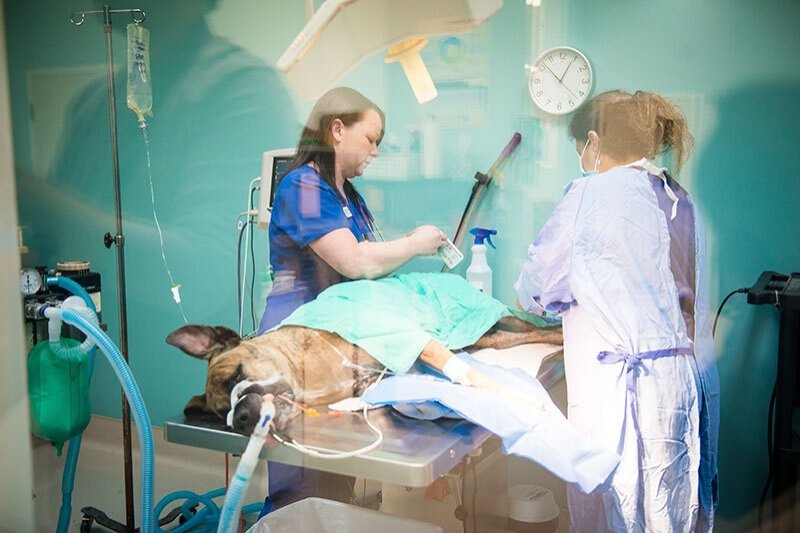
Animal clinics play a crucial role in emergency situations. They offer immediate aid, preventing conditions from becoming worse. Clinics are equipped with trained professionals who know how to act swiftly. They assess injuries or illnesses and provide appropriate treatments.
Common Services Provided
Animal clinics provide various emergency services. These include:
- Wound care and surgery
- Diagnostic tests like X-rays and blood tests
- Medication administration
- Fluid therapy
These services help stabilize pets and offer quick relief. Knowing what to expect can ease your anxiety during emergencies.
Understanding the Process
When an emergency arises, time is critical. Here’s a typical process at an animal clinic:
- Initial Assessment: The staff evaluates the pet’s condition to determine the severity.
- Stabilization: The clinic team administers urgent care to stabilize the pet.
- Treatment Plan: A detailed plan is created based on the pet’s needs.
- Follow-Up Care: The clinic may advise further monitoring or follow-up treatments.
This structured approach ensures efficient and effective care.
Comparing Emergency Services
|
Service |
Animal Clinics |
General Vet Offices |
|---|---|---|
|
Availability |
24/7 |
Limited hours |
|
Specialized Equipment |
Comprehensive |
Basic |
|
Response Time |
Immediate |
Delayed |
Animal clinics are often better equipped to handle emergencies due to their round-the-clock availability and specialized tools.
Preparation Tips for Pet Owners
Preparation can make all the difference in emergencies. Here are some tips:
- Keep a list of local animal clinics and their contact information.
- Have your pet’s medical records accessible.
- Prepare a basic first-aid kit for pets.
Being ready can help reduce panic and ensure quicker responses.
Further Resources
For more information on emergency care for pets, visit the American Veterinary Medical Association. They offer valuable guidance on handling emergencies effectively.
Understanding the role of animal clinics is vital for pet owners. By knowing how these clinics operate, you can ensure your pet receives prompt and effective care in emergencies. Stay informed and prepared. This knowledge fosters confidence and peace of mind, knowing you can act decisively when your pet needs it most.