




Nutrition shapes your mouth more than you may think. Every snack, drink, and habit leaves a mark on your teeth and gums. When your dental visit includes clear nutrition guidance, you get more than a cleaning. You get a plan for stronger teeth, less pain, and fewer urgent visits. A Covina dentist who talks with you about food and drink can spot risk early and help you change course. This support can cut cavities, calm gum disease, and protect existing dental work. It can also help with dry mouth, acid wear, and stubborn bad breath. You gain tools you can use at home. You gain control over your own care. This blog explains how simple nutrition talks in the dental chair can protect your health, save time and money, and give you a calmer future with your teeth.
Why Your Mouth Needs Food Guidance
Your teeth and gums face sugar, acid, and plaque every day. You brush and floss. You use mouthwash. Yet your food choices still decide much of your dental health.
Here is why nutrition talks in the dental office matter.
- Food feeds the bacteria that cause cavities.
- Drinks can wear down enamel and dry your mouth.
- Snacking patterns can keep your teeth under attack all day.
Dentists see the damage in real time. They see which teeth keep breaking. They see which gums keep bleeding. When your dentist adds nutrition guidance, you get advice tied to what your mouth is showing right now.
How Food Choices Affect Teeth And Gums
You hear that sugar is bad. You may not hear how timing, texture, and balance matter.
Key points.
- Sugar frequency. Constant sipping of soda or sweet coffee keeps mouth acid high.
- Sticky foods. Dried fruit and chewy candy cling to teeth longer than you think.
- Acidic drinks. Sports drinks and flavored waters can wear enamel even without sugar.
- Low calcium intake. Weakens teeth and jaw bone over time.
- Not enough water. Low saliva means less natural cleaning and more decay.
A dentist who reviews your diet can match these patterns to what they see on your X rays and exam. You get clear links between your daily choices and your current mouth health.
Benefits For Children And Teens
Children and teens copy what they see at home. They also face strong pressure from ads and peers. Nutritional guidance in a dental visit gives your child another trusted voice.
Your child can gain.
- Fewer cavities and fewer fillings.
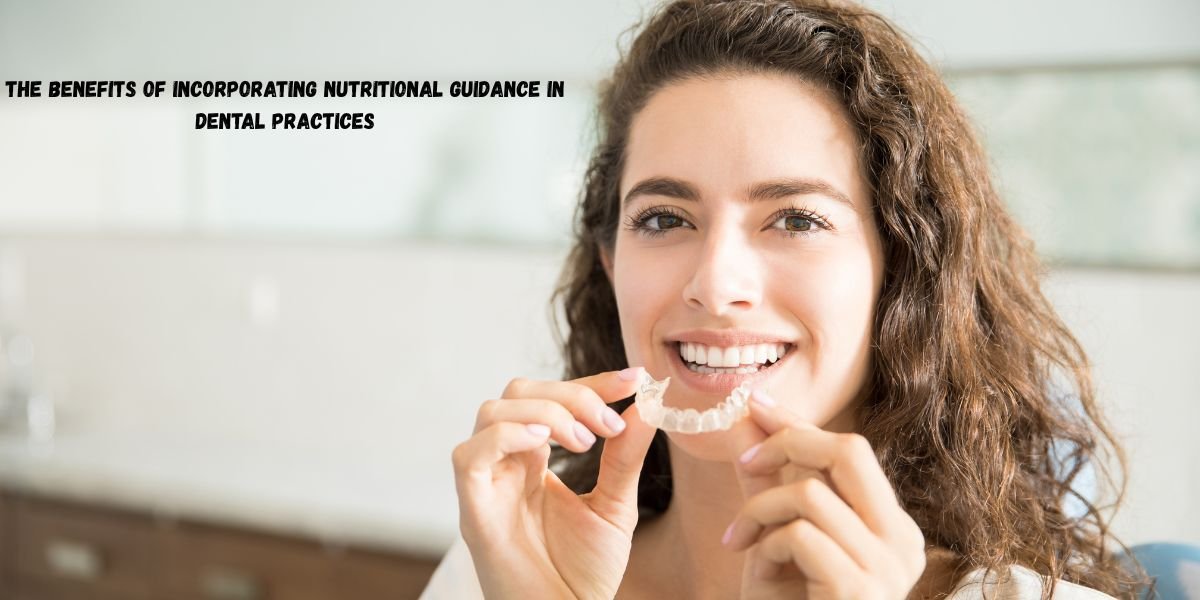
- Better support for braces and aligners.
- Less fear of the dental chair over time.
Dentists can show children simple swaps. They can suggest water instead of juice between meals. They can suggest cheese or nuts instead of sticky sweets. You get support in setting house rules that feel fair and clear.
Benefits For Adults And Older Adults
Adults face different mouth pressures. You may manage stress with snacks or drinks. You may take medicines that dry your mouth. You may have crowns, implants, or dentures that need care.
Nutritional guidance can help you.
- Protect costly dental work.
- Handle dry mouth from medicines.
- Lower risk of root decay as gums recede.
- Support blood sugar control if you live with diabetes.
Research from the National Institute of Dental and Craniofacial Research shows clear ties between eating patterns, tooth decay, and gum disease. A dentist can turn these findings into steps you can follow.
Simple Changes That Make A Big Difference
You do not need a complex meal plan. You need a few steady habits.
Common steps your dentist might suggest.
- Limit sugary drinks to mealtimes.
- Choose water as your main drink during the day.
- Eat whole fruit instead of fruit juice.
- Add calcium rich foods like milk, yogurt, or fortified soy drinks.
- Include crunchy foods like carrots or apples that help clean teeth.
- End meals with a small piece of cheese to neutralize acid.
The USDA MyPlate guidance offers simple pictures and tips that match many dental goals. Your dentist can use these tools and tailor them to your mouth.
Comparison Of Common Drink Choices
Many patients feel shocked when they see how drinks compare. This simple table shows typical sugar and acid risk for common drinks. Values are estimates for one 12 ounce serving.
| Drink | Approximate teaspoons of sugar | Typical acid effect on teeth | Better choice for teeth |
|---|---|---|---|
| Regular soda | 8 to 10 | High | No |
| Sports drink | 5 to 9 | High | No |
| Fruit juice | 6 to 9 | Medium to high | Limit |
| Sweetened iced tea | 6 to 8 | Medium | No |
| Flavored water with sugar | 3 to 6 | Medium | Limit |
| Plain milk | 3 | Low | Yes |
| Plain water | 0 | None | Best |
A dentist can walk you and your child through a chart like this. You can choose one or two drinks to cut and one drink to add. You can then review progress at the next visit.
What Nutritional Guidance Looks Like At A Visit
Nutritional guidance in a dental office does not need extra time. It fits into your normal check up.
You can expect three simple steps.
- Brief questions. Your dentist or hygienist asks about snacks, drinks, and any special diets.
- Link to exam findings. They show how your answers match what they see in your mouth.
- Two or three clear goals. You agree on small changes and write them down.
At later visits, you review what worked and what felt hard. You adjust. You keep what fits your life.
How To Ask Your Dentist For Nutrition Support
You do not need to wait for your dentist to bring this up. You can start the talk.
You might say.
- “Can we talk about which foods are hurting my teeth the most”
- “What drink changes would help my child the most”
- “How can I protect my teeth if I need to snack for my health condition”
You deserve clear answers. You also deserve respect for your culture, budget, and taste. A strong dental team listens and then helps you find realistic steps.
Taking Charge Of Your Mouth Health
Nutrition guidance in dental practices turns each visit into more than a quick check. It becomes a chance to protect your mouth and your body through simple daily choices.
You can ask questions. You can bring your child. You can bring a food or drink log. You can turn small changes into long term protection for your teeth, your gums, and your comfort.