





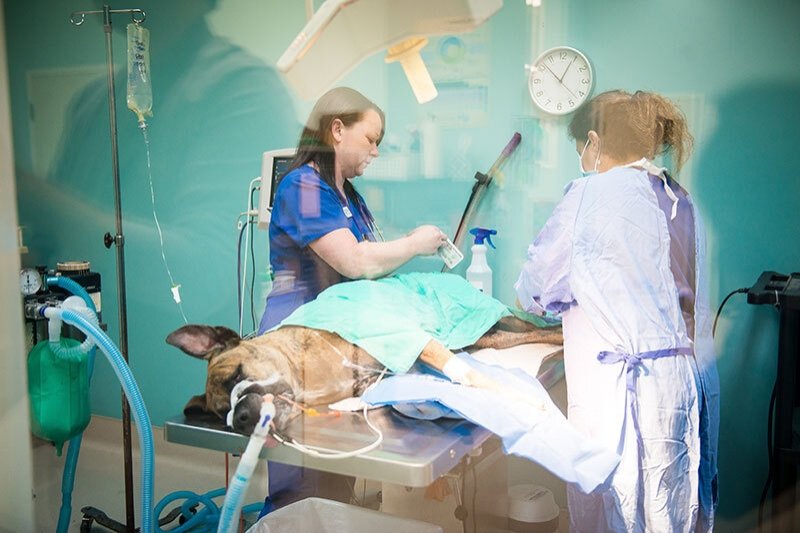
Vaccinations play a crucial role in keeping your pets healthy. Keeping your pet protected from diseases is essential for their well-being and lifelong happiness. When you vaccinate your pet, you shield them from various illnesses that have the potential to harm them. A veterinarian in Manhasset, NY, can provide expert guidance on the appropriate vaccinations your pet needs. They help prevent diseases such as rabies, distemper, and parvovirus, which can lead to severe health issues or even death. Vaccinations also contribute to the larger community by preventing the spread of infections and protecting other animals. Additionally, they save you from costly treatments. Many diseases that affect pets are preventable with timely vaccinations. By keeping up with your pet’s vaccination schedule, you actively contribute to a safer and healthier environment. Your pet depends on you to make the right choices for their health. Prioritize vaccinations to ensure their bright and disease-free future.
Understanding Core Vaccinations
Core vaccinations are essential for all pets. They protect against the most common and severe diseases. For dogs, these include vaccines for rabies, distemper, parvovirus, and adenovirus. Cats need core vaccines for rabies, feline distemper, calicivirus, and rhinotracheitis. Consult your veterinarian about the right vaccines for your pet. This helps ensure you cover all necessary bases.
Non-Core Vaccinations Explained
Non-core vaccinations depend on your pet’s lifestyle and environment. For instance, if your dog frequents parks, the bordetella vaccine may be crucial to prevent kennel cough. Similarly, if your cat ventures outdoors, a vaccine for feline leukemia might be necessary. Discuss your pet’s habits with your veterinarian. This way, they can tailor a vaccination plan that suits your specific needs.
Risks of Skipping Vaccinations
Skipping vaccinations leaves your pet vulnerable to deadly diseases. Rabies, for instance, is almost always fatal once symptoms appear. Parvovirus can cause severe dehydration and death in young dogs. Feline distemper can lead to life-threatening complications in cats. Not only do these diseases harm your pet, but they also pose risks to other animals and humans. Protecting your pet with vaccines is a critical step in public health and safety.
Age and Vaccination Schedule
Timing is key in vaccinations. Most pets receive their first vaccines as puppies or kittens, usually starting between six to eight weeks old. Boosters are critical to maintain immunity and are given throughout their lives. Here’s a simple table to understand the general vaccination schedule:
|
Pet Age |
Vaccination Type |
|---|---|
|
6-8 weeks |
First core vaccines |
|
10-12 weeks |
Second round of core vaccines |
|
14-16 weeks |
Final round of puppy/kitten shots |
|
Adult |
Booster shots every 1-3 years |
The Community Impact
Vaccinating your pet contributes to the well-being of the community. Diseases like rabies can spread to humans and other animals. By vaccinating, you help prevent outbreaks. This reduces the strain on veterinary clinics and shelters. You can find more information about the benefits of vaccination on the Centers for Disease Control and Prevention website.
Addressing Concerns
Some pet owners worry about side effects. While mild reactions like soreness or mild fever can occur, severe reactions are rare. The benefits far outweigh the risks. If you have concerns, discuss them with your veterinarian. They can provide information and reassurance. You can also refer to the American Veterinary Medical Association for more insights on pet vaccinations.
Conclusion
Your pet relies on you for protection and care. Vaccinations are a simple yet powerful tool to ensure their health and happiness. By keeping them vaccinated, you safeguard them against serious diseases and contribute to a healthier community. Make vaccinations a priority. Your pet’s bright and thriving future depends on the choices you make today.