





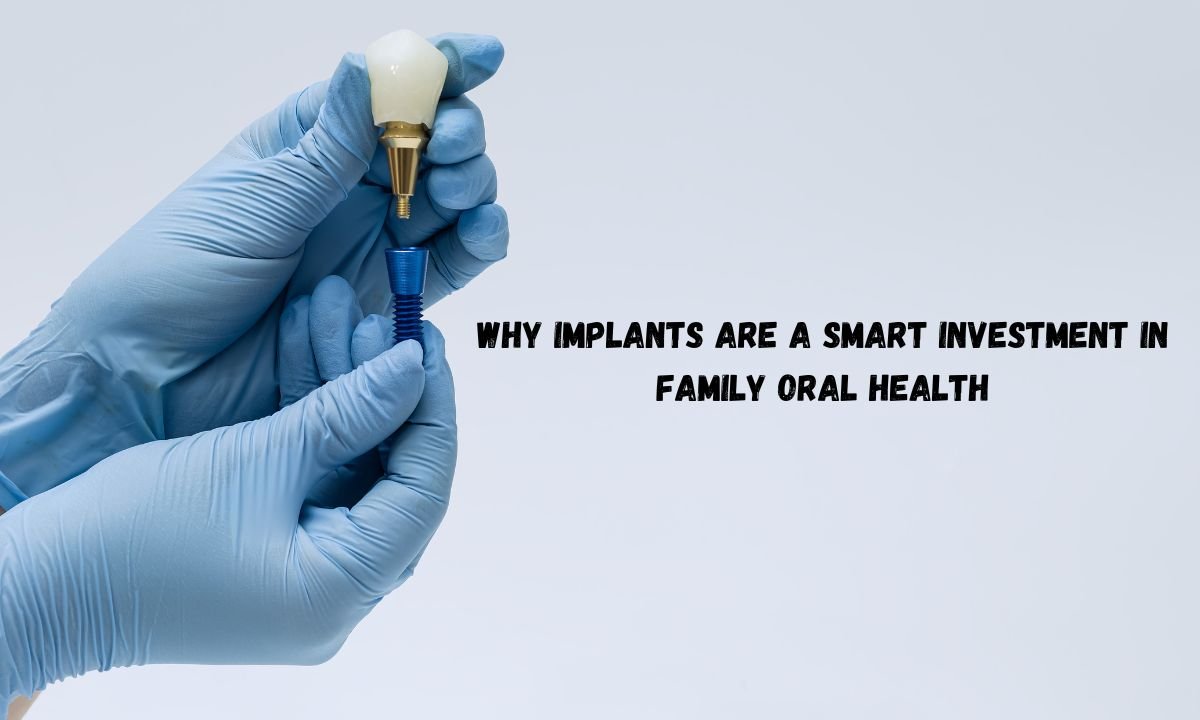
When you lose a tooth, the damage reaches far beyond your smile. It affects how you eat, speak, and feel about yourself. It also affects your family. Children watch how you handle health problems. They learn from your choices. Dental implants give you a strong, lasting fix that protects your mouth and your budget over time. They do not slip. They do not decay. They help keep your jaw strong and your other teeth steady. In many homes, one smart choice about teeth sets a new standard for care. This blog explains why implants support long-term health, lower future costs, and bring back steady function. It also shows how Grand Rapids dental implants fit into a practical plan for your whole family. You deserve clear facts, honest guidance, and a path that protects the people you love.
What A Missing Tooth Does To Your Mouth
A missing tooth looks small. The impact is not small. Three quiet changes start to grow.
- Your jawbone thins where the root is gone. This can change your face shape.
- Nearby teeth drift into the gap. This can cause crowding and bite problems.
- Food traps in the space. This raises the risk of decay and gum disease.
The National Institute of Dental and Craniofacial Research explains that tooth loss is linked to a higher risk of gum disease and trouble chewing.
When one parent struggles to chew or hides a smile, children notice. They may grow up thinking tooth loss is normal. You can show a different path.
How Implants Work And Why They Last
A dental implant replaces the root of a missing tooth. A small post is placed in the bone. Over time, bone grows around it. Then a crown goes on top. The result feels like a natural tooth during chewing and speaking.
This design gives three strong benefits.
- It stands on its own. Nearby teeth do not need grinding for support.
- It passes chewing force into the bone. This helps keep the jaw from shrinking.
- It stays fixed. You do not remove it at night. You do not use glue.
With steady care, many implants last for decades. For most families, that long life changes the math on cost and stress.
Cost: Implants Versus Bridges And Dentures
At first, implants often cost more than other choices. Yet repeated work, repairs, and daily hassles add up. The table below shows common tradeoffs.
| Tooth replacement type | Uses nearby teeth | Supports jawbone | Average life with care | Common repeat work |
|---|---|---|---|---|
| Single implant and crown | No | Yes | 15 years or more | Occasional crown repair or change |
| Fixed bridge | Yes, teeth are ground | No | 7 to 10 years | Bridge change, root canal on support teeth |
| Removable partial denture | Clips to teeth | No | 5 to 7 years | Relines, cracks, clip repairs |
| Full denture | No teeth present | No | 5 to 10 years | Frequent relines due to bone loss |
Over time, bridges and dentures often need new parts and extra visits. That can strain a family budget and time. Implants reduce repeat work. This protects savings and work schedules.
How Implants Protect The Rest Of Your Teeth
When you choose an implant, you protect the teeth you still have. You avoid grinding healthy teeth for a bridge. You also lower the strain on teeth that would carry the bite force alone.
This leads to three gains.
- Lower risk of cracks in support teeth.
- Better bite balance and easier chewing.
- Smoother cleaning, which lowers decay risk.
When children see you fight to keep each tooth, they learn to value their own. That quiet lesson can prevent future cavities and extractions.
Family Life: Eating, Speaking, And Confidence
Meals, school events, and photos shape family memory. Missing teeth or loose dentures can turn daily moments into stress. You may skip foods you once loved. You may avoid smiling in pictures. You may worry that a denture will move while you speak.
Implants help you return to normal habits.
- You chew many foods again. This supports better nutrition for the whole family.
- You speak without fear of slipping teeth.
- You smile in photos. Children see strength, not shame.
Research from the Centers for Disease Control and Prevention links tooth loss to lower quality of life and trouble eating.
Are Implants Safe For Older Adults In Your Family
Many grandparents think they are too old for implants. Age alone does not block treatment. What matters more is health, bone level, and daily habits like smoking.
For many older adults, implants support steady chewing and lower denture trouble. This can help with blood sugar control, weight, and social life. When elders eat with comfort and smile calmly, children feel at ease around them. The whole home feels steadier.
Daily Care And Long Term Success
Implants need the same care as natural teeth. You brush. You clean between your teeth. You see your dentist on a steady schedule.
There are three rules that protect the implant.
- Keep the gums clean to avoid infection around the post.
- Protect the crown from grinding by treating clenching.
- Quit smoking, which slows healing and weakens tissue.
These habits also protect every tooth in the family. When you set this routine at home, children grow up seeing steady care as normal, not rare.
When To Talk With A Dentist About Implants
You should ask about implants when you face any of these events.
- A recent extraction or a tooth that cannot be saved.
- Loose dentures or a bridge that keeps failing.
- Plans to remove several teeth because of decay or fracture.
A clear talk with a trusted dentist should cover options, costs, timing, and health needs. The goal is simple. You want a choice that protects your body, your money, and your family ties. For many homes, implants meet that standard with quiet strength and long life.