

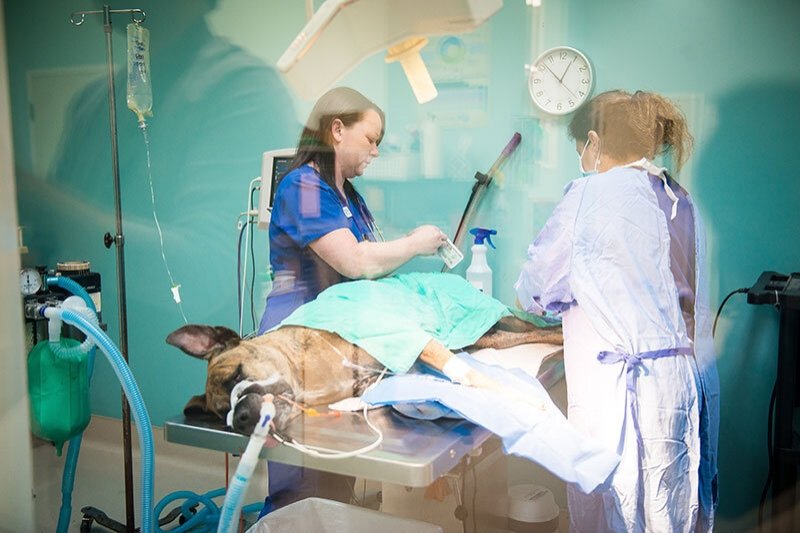
Healthy animals protect human health. You see this every day, even if you do not notice it. When pets get care fast, you face fewer bites, fewer infections, and fewer fears. A clean and well run animal hospital keeps dangerous diseases from reaching your home, your school, and your workplace. Every vaccine, exam, and lab test creates a shield around your family. This is why your choice of a trusted Richmond, VA veterinarian matters so much. That clinic is not only for your dog or cat. It is part of your neighborhood safety net. It supports emergency planning. It supports mental health. It supports children who feel strong when a pet is safe and calm. When you understand this connection, you see animal hospitals as public health partners, not just pet clinics. You also see your own responsibility in that shared safety.
How Animal Hospitals Block Disease
Many diseases move from animals to people. These are called zoonotic diseases. Rabies, ringworm, and some stomach bugs spread this way. When your pet visits an animal hospital, you cut that risk.
You protect your family when you:
- Keep vaccines current
- Use parasite control for fleas, ticks, and worms
- Treat coughs, wounds, or diarrhea early
Each step lowers the chance that a bite, scratch, or lick will carry germs. The Centers for Disease Control and Prevention explains that common pet linked germs include rabies, salmonella, and certain parasites.
Animal hospitals also report certain diseases to health departments. This fast reporting helps doctors spot patterns and stop outbreaks before they grow.
Support For Your Mental Health
Pets calm you. They ease stress and loneliness. They support children who struggle with mood or school. Yet a sick pet can cause sharp worry, grief, and money strain.
Regular care at an animal hospital can:
- Catch health problems while treatment is still simple
- Lower emergency visits
- Extend your pet’s healthy years
This steady care protects your emotional health. You sleep better when you know your pet is stable. You also avoid the shock of sudden crises that shake the whole house.
Why Community Health Depends On Pet Care
Your choices about your own pet affect other people. That is true for diseases. It is also true for safety and neighborhood trust.
When most pets in a community get vaccines and parasite control, everyone is safer. This shared protection works in three ways.
- Lower bite risk. Healthy pets often feel calmer and less fearful.
- Cleaner shared spaces. Parks and sidewalks stay cleaner when owners pick up waste and keep pets dewormed.
- Stronger trust. Neighbors worry less about contact with animals.
These gains may feel small in one yard. Yet across a town, they shape school health, workplace safety, and emergency room use.
How Animal Hospitals Back Up Public Health Systems
Animal hospitals work quietly in the same health chain as doctors, schools, and public health staff. You may not see that link, but it is strong.
Animal hospitals often:
- Report rabies cases and other reportable diseases
- Help local shelters with exams and vaccines
- Join disaster plans for floods, fires, and storms
During disasters, many families will not leave home without their pets. When animal hospitals help plan for pet sheltering and treatment, more people agree to evacuate. That saves lives and reduces chaos for first responders. The Federal Emergency Management Agency gives clear advice on pet readiness at its page on disaster planning for pets.
Key Services And What They Mean For You
The table below shows how common animal hospital services connect to your health and your community.
|
Service |
What It Does For Your Pet |
How It Protects You And Your Community |
|---|---|---|
|
Vaccines |
Prevent diseases like rabies and distemper |
Reduce risk of deadly infections passing to people and other animals |
|
Parasite control |
Stops fleas, ticks, and worms |
Cuts spread of Lyme disease, tapeworms, and other germs to families |
|
Spay and neuter |
Prevents certain cancers and unwanted litters |
Lowers stray numbers and shelter crowding across the community |
|
Regular checkups |
Finds illness early when treatment is easier |
Reduces emergency visits and health costs for owners and systems |
|
Behavior help |
Addresses fear, aggression, and anxiety |
Decreases bites and injuries in homes and public spaces |
|
Dental care |
Prevents tooth loss and pain |
Lowers mouth germs that may spread through bites |
Your Role In Shared Health
Animal hospitals cannot protect your community alone. Your daily choices matter.
You can support shared health when you:
- Keep your pet’s vaccine and checkup schedule
- Use year round parasite prevention as your veterinarian advises
- Secure your pet in public spaces and respect leash rules
- Pick up waste every time
- Plan for your pet during disasters, with a carrier, food, and records ready
These actions may feel small. Yet they reflect care for your neighbor as well as your pet.
Seeing Animal Hospitals As Community Partners
When you walk into an animal hospital, you do more than seek care for a pet. You take part in a larger safety system that shields your family, your neighbors, and your city.
You protect your home from disease. You support your own mental health. You help lower strain on shelters, clinics, and hospitals. You also show children what shared duty looks like in daily life.
The connection between animal hospitals and community health is steady and strong. When you keep your pet healthy, you help keep your community steady and safe as well.