





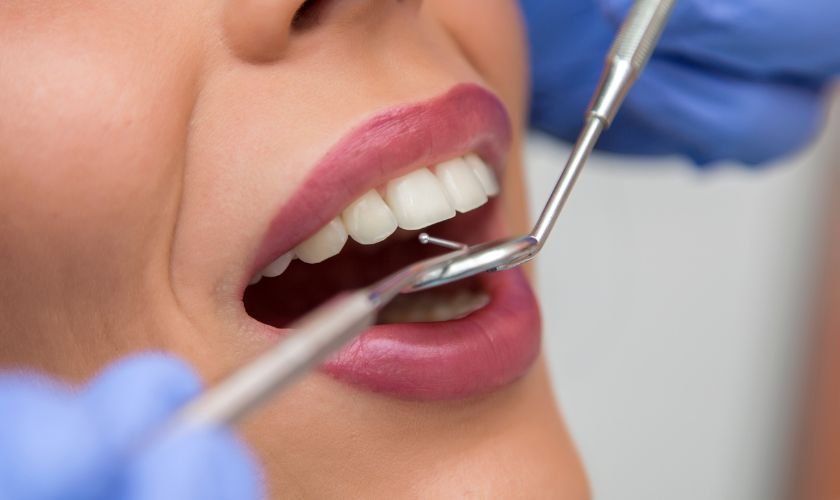
Restorative dentistry helps you keep your teeth strong, steady, and useful. You might feel nervous when you hear you need treatment. You still deserve clear choices and honest answers. This blog explains four common restorative options your Ballston, VA dentist may recommend. You will see what each option does, when it is used, and what you can expect during care. You will also learn what you can do to protect your results. You do not need a dental background to understand this. You only need a few minutes and a wish to protect your smile. By the end, you will know which questions to ask, what matters most for your health, and how to plan your next steps with less fear and more control.
Why Restorative Dentistry Matters For You And Your Family
Tooth decay and broken teeth are common. The Centers for Disease Control and Prevention reports that more than 1 in 4 adults has untreated cavities. Children face high risk too. You are not alone if you need repair. You can still protect your health.
Restorative care helps you
- Chew food without pain
- Speak clearly
- Protect other teeth from damage
- Keep a natural looking smile
1. Tooth Colored Fillings
Fillings are the most common repair for small to medium cavities. Your dentist removes the decayed part of the tooth. Then the dentist places a material that seals and shapes the tooth.
Most general dentists now use tooth colored composite resin for front and back teeth. This material bonds to the tooth and blends with your natural color.
You may need a filling if you have
- A small hole in a tooth
- Cold or sweet sensitivity in one spot
- A chipped edge
During the visit you get numb. The dentist cleans the decay. Then the dentist builds the filling in layers and hardens it with a curing light. The dentist shapes and polishes it so your bite feels even.
With good brushing, flossing, and regular checkups, many fillings last years. If you grind your teeth you may need a night guard to protect them.
2. Dental Crowns
Crowns, also called caps, cover the whole tooth above the gum. You can think of a crown as a hard shell that shields a weak or cracked tooth from breaking.
Your dentist may suggest a crown if you have
- A tooth with a large filling that keeps failing
- A broken tooth that lost much structure
- A tooth after a root canal
- A tooth that needs support for a bridge
First the dentist shapes the tooth so the crown can fit. Then the dentist takes a mold or digital scan. You often leave with a temporary crown. At the next visit the dentist cements the final crown onto the tooth.
Crowns can be metal, porcelain fused to metal, or ceramic. Each type has tradeoffs in strength and look. Your dentist helps you choose what fits your bite, your habits, and your budget.
3. Bridges To Replace Missing Teeth
A bridge replaces one or more missing teeth in a row. It uses the teeth on each side of the space as anchors. Those anchor teeth get crowns. A false tooth joins between them as one solid unit.
A bridge can help when you
- Have one or two missing teeth in one spot
- Want a fixed option that does not come out
- Have healthy teeth next to the gap that can support crowns
A bridge can stop nearby teeth from tipping into the space. It can also keep your bite from shifting, which can cause jaw pain and more wear.
The steps are similar to crowns. The dentist shapes the anchor teeth, takes a scan or mold, places a temporary bridge, then cements the final bridge at a later visit.
4. Dental Implants
Implants replace missing teeth one at a time or in groups. An implant is a small titanium post placed in the jawbone. Over time the bone grows around the implant. Then the dentist attaches a crown, bridge, or denture to that post.
You might be a candidate for implants if you
- Have one or more missing teeth
- Have enough healthy bone in the jaw
- Do not smoke or can stop during healing
- Can keep up with daily brushing and flossing
Implants do not get cavities. You still need to clean around them to avoid gum infection.
Comparing Common Restorative Options
You have more than one choice. This simple table compares the four options. It can help you start a clear talk with your dentist.
|
Option |
Main Purpose |
Best For |
Typical Lifespan With Care |
Removable Or Fixed |
|---|---|---|---|---|
|
Tooth Colored Filling |
Repair small to medium cavities |
Teeth with limited decay or chips |
5 to 10 years |
Fixed |
|
Crown |
Strengthen weak or broken teeth |
Teeth with large fillings or cracks |
10 to 15 years |
Fixed |
|
Bridge |
Replace one or more missing teeth in a row |
Gaps with strong teeth on each side |
7 to 15 years |
Fixed |
|
Dental Implant With Crown |
Replace a single missing tooth without touching neighbors |
Single missing tooth with enough bone |
15 years or longer |
Fixed |
How To Protect Your Restorative Dental Work
Restorative care is an investment of time and money. You can protect that investment with simple habits.
- Brush twice a day with fluoride toothpaste
- Floss once a day around teeth, crowns, bridges, and implants
- Use a night guard if you grind or clench
- Limit sugary drinks and snacks between meals
- See your dentist every 6 months or as advised
During checkups the dental team checks your work for cracks, leaks, or loose parts. Early repair often costs less and hurts less than waiting.
Next Steps When You Need Treatment
If your dentist says you need restorative care, ask clear questions.
- What happens if you do nothing
- What options you have and how they compare
- How many visits you need
- What it will feel like during and after
- How much it may cost and what insurance covers
You deserve straight answers and a plan that fits your life. With the right information you can choose fillings, crowns, bridges, or implants with less fear and more confidence. You can protect your teeth, your health, and your peace of mind.