




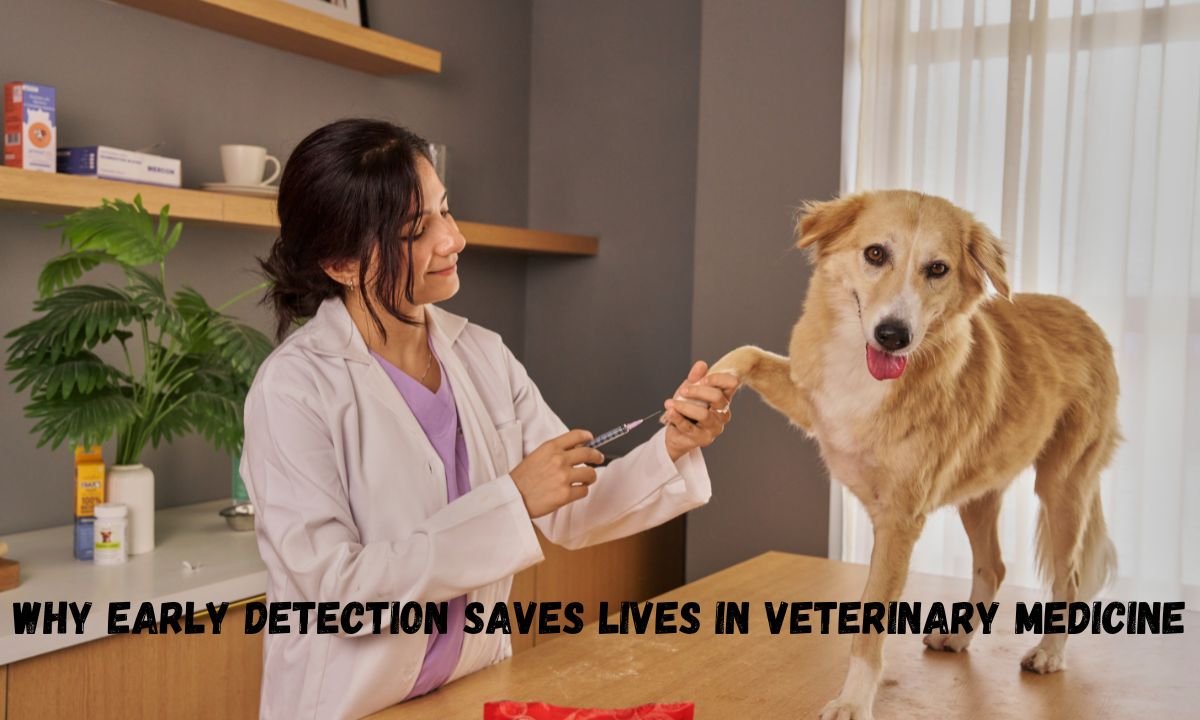
When your animal feels a little “off,” it is easy to wait and hope it passes. That delay can cost your companion comfort, time, and sometimes life. Early detection in veterinary medicine lets you find trouble when it is still small and easier to treat. You catch cancer before it spreads. You catch kidney disease before failure. You catch an infection before it breaks your animal’s strength. Each day you wait, the hidden disease can grow without clear signs. This blog explains how simple habits protect your animal. You will see why routine exams, blood tests, and at-home checks matter. You will learn what changes to watch for and when to call your veterinarian. You will also see how local programs like Guelph pet wellness support early action. When you act early, you give your animal a stronger chance at a longer, calmer life.
Why animals hide pain and sickness
Animals often hide pain. This is a survival habit. A sick animal in the wild becomes a target. Your dog or cat keeps that instinct. You may not see clear signs until the disease is advanced.
Here is what this means for you.
- You cannot rely on obvious signs like limping or crying.
- Small changes in eating, drinking, or mood can be the only clue.
- Early tests often see problems long before your eyes can.
Routine care is not extra. It replaces what your animal cannot say with tests and exams that speak for them.
How early detection changes outcomes
Early detection does three key things.
- It gives more treatment choices.
- It lowers pain and stress for your animal.
- It often lowers total cost for you.
For example, a small skin lump that is removed early might cure a cancer. The same cancer found late might need surgery, chemotherapy, and still bring a short life.
The American Veterinary Medical Association explains that routine exams help find heart disease, diabetes, dental disease, and cancer before they cause severe damage.
Common diseases caught early
Many common diseases grow in silence at first. Early detection gives you a chance to act while treatment is still straightforward.
| Disease | Early signs | How vets often detect it early | Result with early action |
|---|---|---|---|
| Kidney disease in cats | More drinking and urinating | Bloodwork and urine tests | Diet change and medicine that slow damage |
| Heart disease in dogs | Mild cough or tired after play | Stethoscope exam and chest imaging | Medicine that eases strain on the heart |
| Diabetes | Weight loss and constant thirst | Blood sugar tests | Insulin and diet that protect organs |
| Dental disease | Bad breath or dropping food | Oral exam and dental x rays | Cleaning and extractions that stop pain and infection |
| Skin tumors | Small lump or bump | Needle sample and lab tests | Quick removal before spread |
What routine exams can find
A full exam is more than a quick look. Your veterinarian checks three main things.
- Body condition. Weight, muscle strength, skin, and coat.
- Organ health. Heart, lungs, abdomen, eyes, ears, and mouth.
- Behavior and movement. Gait, posture, response to touch.
Regular screening tests often include.
- Blood tests for organ function and blood cells.
- Urine tests for kidneys, bladder, and sugar.
- Fecal tests for worms and other parasites.
- Heartworm and tick disease tests were needed.
The University of California Davis School of Veterinary Medicine notes that yearly exams help find disease at earlier stages and can extend the quality of life for many animals.
How often your animal needs checkups
The right schedule depends on age and health. Here is a simple guide you can discuss with your veterinarian.
| Life stage | Example age | Suggested exam schedule | Key goals |
|---|---|---|---|
| Puppy or kitten | Birth to 1 year | Every 3 to 4 weeks, then at least yearly | Vaccines, growth checks, parasite control |
| Adult | 1 to 7 years | At least once per year | Early disease checks and weight control |
| Senior | 7 years and older | Every 6 months or more often | Screening for cancer, organ disease, and pain |
Red flag changes you should never ignore
You know your animal better than anyone. When you notice a change, listen to it. Call your veterinarian soon if you see any of these.
- Sudden change in appetite or water intake.
- Weight loss or weight gain without a reason.
- Cough, trouble breathing, or heavy panting at rest.
- Vomiting or diarrhea that lasts more than a day.
- Blood in urine, stool, or from the nose or mouth.
- New lump, bump, or wound that does not heal.
- Limping, stiffness, or reluctance to jump or climb.
- Hiding, sudden fear, or aggression that is not normal.
Immediate care for these signs often prevents a slow slide into crisis.
How early detection protects your wallet
Waiting often means larger bills later. A simple infection caught early may need only a short course of medicine and a recheck. That same infection ignored might lead to hospital care, surgery, or long-term treatment.
Early detection also helps you plan. When a chronic disease is found at an early stage, you can discuss options, costs, and home care. You can prepare instead of reacting in panic during an emergency.
Simple steps you can start today
You can begin early detection at home with three steady habits.
- Schedule regular exams. Put reminders on a calendar for yearly or twice-yearly visits.
- Track changes. Keep a small notebook or phone note for weight, appetite, water, and energy.
- Check body and mouth. Run your hands over your animal once a week. Look at teeth, gums, eyes, and ears.
Then share what you see. Bring notes and questions to each visit. Short updates help your veterinarian spot subtle patterns.
Your role in your animal’s future
Early detection is not only a medical task. It is a shared promise between you and your veterinarian. You watch closely at home. Your veterinarian uses exams and tests. Together, you give your animal a better chance at more years and calmer days.
You do not need special training to start. You only need attention, routine, and the courage to act when something feels wrong. When you choose early detection, you choose less suffering and more time with the animal who depends on you.