



You want your child to smile without hiding. You want to feel the same way about your own smile. Cosmetic dentistry can help both of you. Crooked teeth, stains, or gaps can slowly wear down confidence. They can affect school photos, job interviews, and simple family pictures. Parents often put their needs last and tell teens to “just ignore it.” That pressure builds shame and silence. A trusted dentist in Roseville, MI can offer safe options that fit real family budgets and schedules. Simple changes like whitening, bonding, or straightening can shift how you and your teen walk into a room. You speak up more. You avoid covering your mouth. You stop dodging cameras. This blog explains how cosmetic care supports mental health, strengthens family bonds, and gives both parents and teens steady confidence that lasts.
Why Your Smile Affects Confidence So Strongly
Your mouth is one of the first things people notice. You know that. Your teen knows that even more. When teeth look uneven or stained, you may assume others judge you as careless or unhealthy. That thought hurts. It can shape how you act.
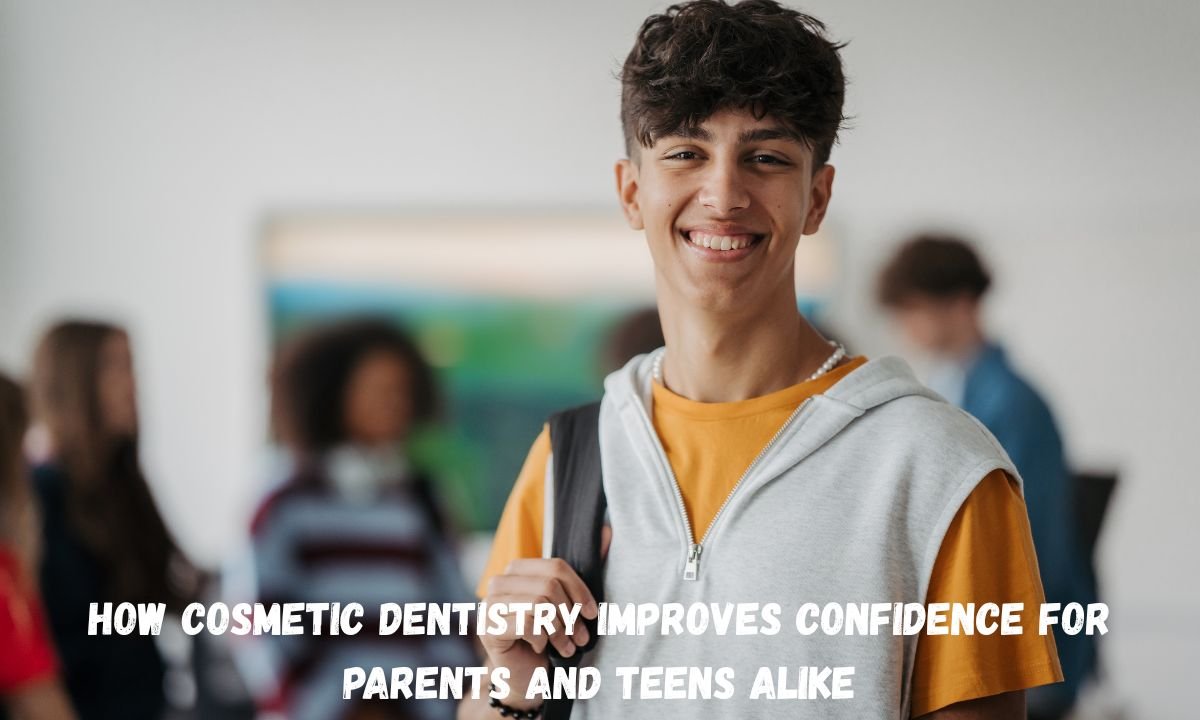
Teens often face harsher pressure. Social media, school events, and yearbook photos can turn one crooked tooth into daily ridicule. You might see your teen
- Smiling with lips closed
- Covering their mouth when they laugh
- Avoiding group photos or video calls
Parents feel a different weight. You might worry your smile looks “old” or “worn out.” You might fear that you set a poor example. This can lower your confidence at work, at medical visits, and in your community.
Research from the National Institute of Dental and Craniofacial Research shows that people who feel unhappy with their teeth often feel less sure in social settings. That loss of confidence can build over the years. Cosmetic dentistry can help stop that cycle.
Common Concerns For Parents And Teens
Parents and teens share many of the same concerns. Yet they often stay quiet about them. You might both worry about
- Color. Dark stains or yellow teeth
- Shape. Chipped or worn edges
- Alignment. Crowding, gaps, or teeth that stick out
Teens may also feel upset about “baby” teeth that never fell out, white spots from past braces, or damage from sports. Parents may worry about old fillings that show when they laugh, or teeth that look shorter after years of grinding.
Silence often makes the shame grow. You may think you protect your teen by saying, “It is not a big deal.” Your teen may think they protect you by not asking for help. Honest talk about cosmetic options can bring relief to both of you.
How Cosmetic Dentistry Supports Mental And Social Health
Cosmetic care is not only about looks. It is also about how you and your teen function in daily life. When you feel better about your teeth, you often
- Speak up in class or at work
- Smile during interviews
- Join social events instead of staying home
The Centers for Disease Control and Prevention notes that poor oral health can affect school success, work, and social life. A smile you trust can support all three. Confidence grows when your outside matches how strong and capable you feel inside.
For teens, this can shape key moments. School photos, sports banquets, college tours, and first jobs all feel different when they are not hiding their teeth. For parents, renewed confidence can help during meetings, public speaking, or even simple parent-teacher talks.
Common Cosmetic Options For Families
A family-friendly cosmetic plan can stay simple. You do not need every treatment. You and your teen can choose what fits your needs, health, and budget. Common options include
- Teeth whitening. Brightens stained teeth
- Bonding. Uses tooth colored material to fix chips or small gaps
- Aligners or braces. Straighten crooked or crowded teeth
- Veneers. Thin covers that change the front look of teeth
- Tooth contouring. Gently reshapes uneven edges
Each option has different treatment times and costs. You choose what feels right for your family. Many families start with whitening, then fix one or two teeth that bother them most. That focused approach can bring big emotional relief without a huge change in your routine.
Comparing Cosmetic Options For Parents And Teens
| Treatment | Best For Teens | Best For Parents | Typical Time |
|---|---|---|---|
| Teeth whitening | Stains from food or drinks | Age related yellowing | One visit or a few weeks with trays |
| Bonding | Chips from sports or accidents | Small gaps and worn edges | One visit for most teeth |
| Clear aligners or braces | Crowded or crooked teeth | Long term bite and alignment issues | Several months to a few years |
| Veneers | Selected older teens when growth is done | Multiple concerns with color and shape | A few visits over several weeks |
This table is only a guide. Your dentist reviews growth, enamel strength, and health before suggesting any option, especially for teens who are still growing.
How To Talk With Your Teen About Cosmetic Care
Words matter. You can shape this talk in a way that protects your teen from shame. You can
- Start with feelings. Ask how they feel about their smile
- Listen without quick fixes. Let them finish
- Offer choice. Ask if they want to explore options together
Avoid comments about “perfection” or “flaws.” Focus on comfort and health. You might say, “If your teeth bother you, we can learn what is possible. You are already enough. This is about helping you feel that inside and out.”
Include your own story. If you also want cosmetic care, share that. Then this becomes a shared journey, not a judgment of your teen’s face.
Planning Cosmetic Care As A Family
You can turn cosmetic care into a family plan. That plan can include three steps
- Checkup. Schedule exams and cleanings for you and your teen
- Goal setting. Each person chooses one or two smile goals
- Step by step schedule. Spread treatments over time
A joint plan can lower fear. Your teen sees that adults also need help. You show that caring for teeth is normal and strong. You also gain a shared sense of progress when you both see changes in photos and daily life.
When Cosmetic Dentistry Might Not Be Right Yet
Sometimes the best choice is to wait. Your dentist may suggest delaying certain treatments if
- Your teen is still growing fast
- There is untreated decay or gum disease
- Your family needs time to plan finances
Good care does not rush. It respects growth, health, and money limits. You can still build confidence during this time through clear talk, support at school, and simple changes like good cleaning habits and mouthguards for sports.
Moving Forward With Confidence
You and your teen do not need to live with quiet shame about your smiles. Cosmetic dentistry offers real, safe tools that can match your needs, your health, and your budget. You can start small. You can ask hard questions. You can protect your child’s self-respect while also caring for your own.
When you choose to address the teeth that cause the most pain, you send a strong message. You tell your teen that their feelings matter. You also tell yourself the same truth. That simple act can shape how your family shows up at school, at work, and in every photo to come.