





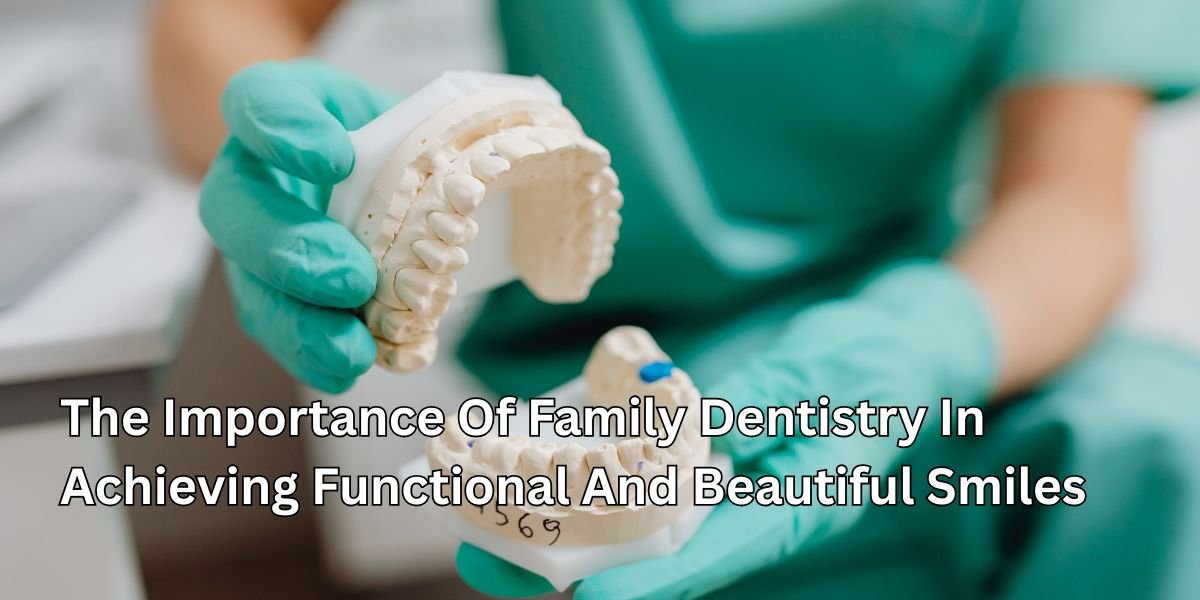
Your smile affects how you eat, speak, and connect with people every day. Family dentistry protects that. It gives you one trusted home for care at every age. Children, teens, adults, and older adults all receive steady support in one place. This saves time. It also catches problems early, before they cause pain or tooth loss. A family dentist watches how your bite, jaw, and gums change over the years. Then you get clear guidance that fits your life, not guesswork. This is how you reach a smile that works well and looks natural. If you put off care, simple problems can grow into emergencies. That creates stress and higher costs. In contrast, steady visits with a dentist in Southwest Charlotte help you keep strong teeth, stable gums, and a confident smile you trust.
Why function and appearance both matter
You need a smile that works. You also deserve a smile that looks good. These goals are not separate. They depend on each other.Function means you can chew, bite, and speak without pain.Beauty means your teeth look clean, even, and natural.Health means your gums do not bleed and your breath stays fresh.When teeth are worn, crowded, or missing, your jaw works harder. Then you may avoid some foods. You may also hide your smile. Over time, this can affect nutrition, mood, and relationships. Family dentistry looks at the whole mouth. It keeps your teeth working and your smile balanced.
How family dentistry supports every age
One office that treats your whole family removes guesswork and fear. It also builds trust. You do not need to start over with each new life stage. Instead, your dentist knows your story and your habits.
Children
Early care shapes lifelong habits. You help your child:Learn brushing and flossing routines.Prevent cavities with cleanings and fluoride.Watch for crowding and jaw growth problems.The Centers for Disease Control and Prevention notes that untreated cavities are common in children and teens. They can cause pain and missed school.
Teens and young adults
Teens face sports injuries, braces, and changing diets. A family dentist can:Fit mouthguards for sports.Check wisdom teeth.Talk about soda, energy drinks, and tobacco.This guidance lowers the risk of chipped teeth, gum problems, and stains.
Adults
Work stress, grinding, and busy schedules put pressure on your teeth. Regular visits help you:Control gum disease.Repair cracked or worn teeth.Replace missing teeth with crowns or bridges.Healthy teeth support steady chewing and clear speech. They also shape your face. Missing teeth can cause the face to sag and age faster.
Older adults
With age, your risk of root decay, dry mouth, and tooth loss rises. Medicine, joint pain, and memory changes can also affect brushing. A family dentist can:Adjust dentures or partials.Check for mouth cancer.Suggest tools that make brushing easier.The National Institute of Dental and Craniofacial Research explains that tooth decay and gum disease remain common in older adults.
Preventive care vs waiting for problems
Routine visits feel small. The impact is large. You can think about care in two paths.
| Type of care | What it includes | Short term effect | Long term effect |
|---|---|---|---|
| Preventive family care | Cleanings, exams, X rays, sealants, fluoride | Less plaque and stain. Early problem detection. | Fewer cavities. Lower costs. Stronger bite. |
| Waiting for pain | Emergency visits, extractions, root canals | Relief after crisis. Missed work or school. | More missing teeth. Higher costs. Ongoing stress. |
Preventive care keeps control in your hands. Waiting for pain gives control to the problem.
Link between mouth health and body health
Your mouth connects to the rest of your body. Gum disease links with heart disease, diabetes, and pregnancy problems. Inflammation in your gums can strain your immune system. Bacteria in your mouth can travel through your blood.
When you keep your gums clean, you lower silent stress on your body. You also protect your heart and blood sugar. This helps you stay active and present with your family.
Steps you can take with your family dentist
You can use three simple steps to guard both function and beauty.
1. Keep a steady visit schedule
- Plan visits every six months, or as your dentist advises.
- Book the next visit before you leave the office.
- Use a shared family calendar.
Steady visits turn care into a routine, not a crisis.
2. Build simple home habits
- Brush twice a day with fluoride toothpaste.
- Floss once a day.
- Limit sugary drinks between meals.
Your dentist can show your child how to brush and can review your own technique. Small changes can protect fillings, crowns, and natural teeth.
3. Talk about your goals
- Share any pain, grinding, or jaw clicking.
- Ask about stain, chips, or worn edges that bother you.
- Discuss budget and timing.
This open talk helps your dentist plan care that supports both function and appearance. You might choose small steps over time. For example, you may repair a cracked tooth now, then address crowding later.
How family dentistry supports confidence
A strong, clean smile changes how you move through your day. You may speak up more at work. Your child may feel calmer at school. Older adults may feel safer eating with others. These are not small wins. They shape how you see yourself.
Family dentistry gives you that safety net. It keeps your history in one place. It lets your children grow up with a team they already trust. It supports you as your needs shift with time.
When you choose steady family care, you protect more than teeth. You protect comfort, speech, and eating. You protect the way you greet the world. You deserve a smile that works and a smile you feel proud to show.