





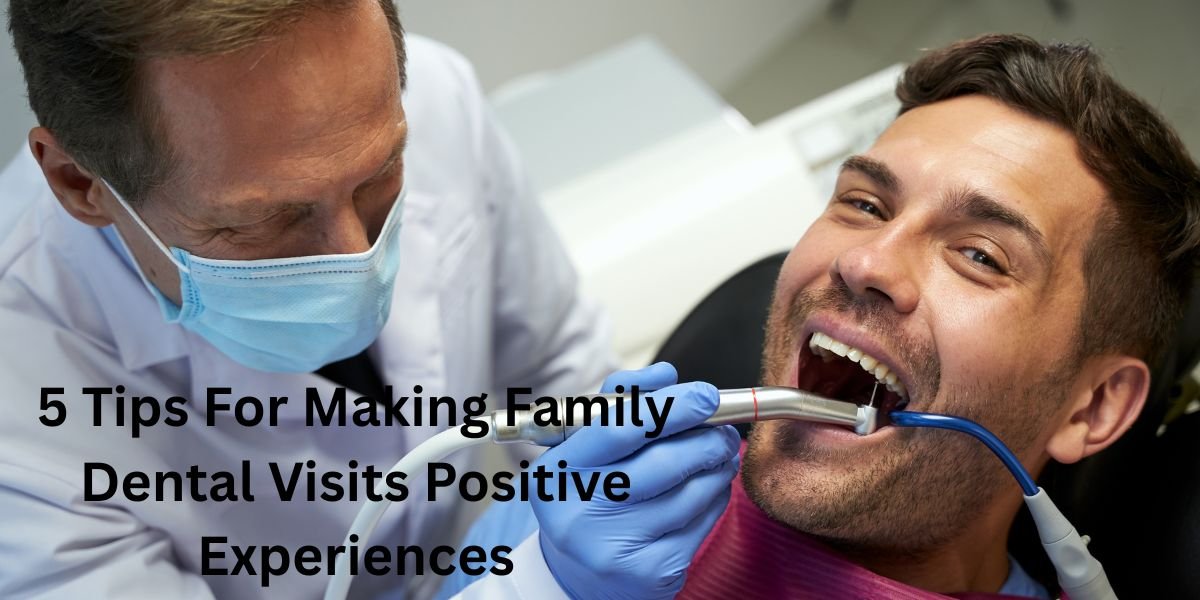
Family dental visits can stir up fear for you and your child. You may remember sharp sounds, odd smells, and long waits. Your child may sense your stress and feel even worse. You want to protect them, yet the chair and bright light feel harsh. You are not alone in this. Many parents carry quiet worry into every appointment. The good news is that you can turn these visits into calm, even proud moments. You can shape how your child sees teeth cleanings, braces, or even dental implants in Oshawa. This starts with clear steps you can use before, during, and after each visit. It does not require special skills. It only needs steady effort, honest words, and small choices that build trust. These five tips will help you lower fear, build courage, and leave the office with a child who feels safe and strong.
1. Talk early, tell the truth, and keep it simple
Fear grows in silence. You lower fear when you talk with your child before the visit.
Use clear, short words.
- Say what will happen. For example, “The dentist will count your teeth and clean them.”
- Skip scary words. Say “numbing medicine” instead of “needle” if your child needs treatment.
- Answer questions with facts. If you do not know, say you will ask the dentist together.
Then give your child some control.
- Let your child choose a comfort item to bring, like a small toy.
- Let your child choose a signal to use if they want a short break, like raising a hand.
- Let your child choose a small plan for after the visit, like time at the park.
You also shape the mood with your own words. Speak in a calm voice. Avoid saying that you hate the dentist. Your child hears that and may carry the same fear.
2. Practice at home so the office feels familiar
New places feel less scary when your child has seen and played through the steps.
Turn practice into a short game.
- Use a toothbrush and count your child’s teeth out loud.
- Take turns. Let your child “be the dentist” and check your teeth or a stuffed animal.
- Practice opening wide in front of a mirror for five seconds at a time.
You can also use books and videos from trusted sources. The Centers for Disease Control and Prevention children’s oral health page explains why clean teeth matter for the whole body. Share one or two pictures or facts. Keep it short so your child does not feel flooded.
Repetition makes each step feel routine. Then the real visit feels like something you both already know.
3. Plan the visit around your child’s body and mood
Timing matters. Your child handles stress better when rested, fed, and not rushed.
Use these three steps.
- Pick a time of day when your child is usually calm. Morning works well for many children.
- Offer a light snack and water before the visit, unless your dentist gives other directions.
- Arrive a bit early so you do not feel hurried. Use the time to look around and settle in.
Different ages need different support. The table below shows common needs by age group. Every child is unique. Use this as a guide, not a rule.
| Age group | Common worries | What helps most |
|---|---|---|
| Toddlers (1 to 3) | Strangers and separation from you | Sitting on your lap and short visits |
| Preschool (3 to 5) | Loud tools and new rules | Simple stories and pretend play at home |
| School age (6 to 12) | Pain and embarrassment | Honest talk, clear steps, and choices |
| Teens | Appearance and control | Respectful talks and private questions with the dentist |
Federal health guidance shows that regular dental visits lower cavities and missed school days. You can read more on the National Institute of Dental and Craniofacial Research tooth decay in children page. When you plan visits with your child’s needs in mind, you protect both health and daily life.
4. Partner with the dental team during the visit
You do not face this alone. You and the dental team work together.
Before the visit, tell the office if your child has special needs, strong fears, or sensory issues. Ask how they support children. Many offices use small steps, such as:
- Letting your child see and touch a mirror or suction tool before they are used
- Explaining each step before it happens
- Using simple counting, like “We will clean for ten seconds, then rest”
During the visit, stay where your child can see you if the dentist allows it. Use a calm face and steady words. Try phrases like:
- “You are doing hard work.”
- “This will be over soon. We are together.”
- “You can raise your hand if you need a pause.”
If your child cries or resists, stay steady. Do not scold. Ask the dentist to pause and reset. Then take one step at a time. Your child learns that hard moments can pass and that you stay close.
5. End with praise, reflection, and a clear plan
What happens after the visit shapes the next one. You can turn even a hard visit into a story of strength.
First, focus on effort. Praise what your child did, not how perfect they were.
- “You opened your mouth when you were scared.”
- “You used your hand signal. That was smart.”
- “You stayed in the chair the whole time.”
Next, talk about one thing you will both do before the next visit. For example:
- Practice brushing for two minutes twice a day.
- Limit sweet drinks between meals.
- Use floss once a day as a team.
Then keep your promise for a small, healthy reward after each visit. This might be a walk, a story, or extra time with a game at home. The goal is not to bribe. The goal is to connect dental care with care from you.
Putting it all together
You turn family dental visits from fear into strength when you do three things.
- You speak with honesty and calm.
- You practice and plan ahead.
- You praise effort and keep a steady routine.
These steps protect teeth. They also teach your child that hard things can feel safer with clear information, kind adults, and repeat practice. Over time, the waiting room can shift from a place of dread to a place where your child walks in with quiet courage, ready to care for their own health.