



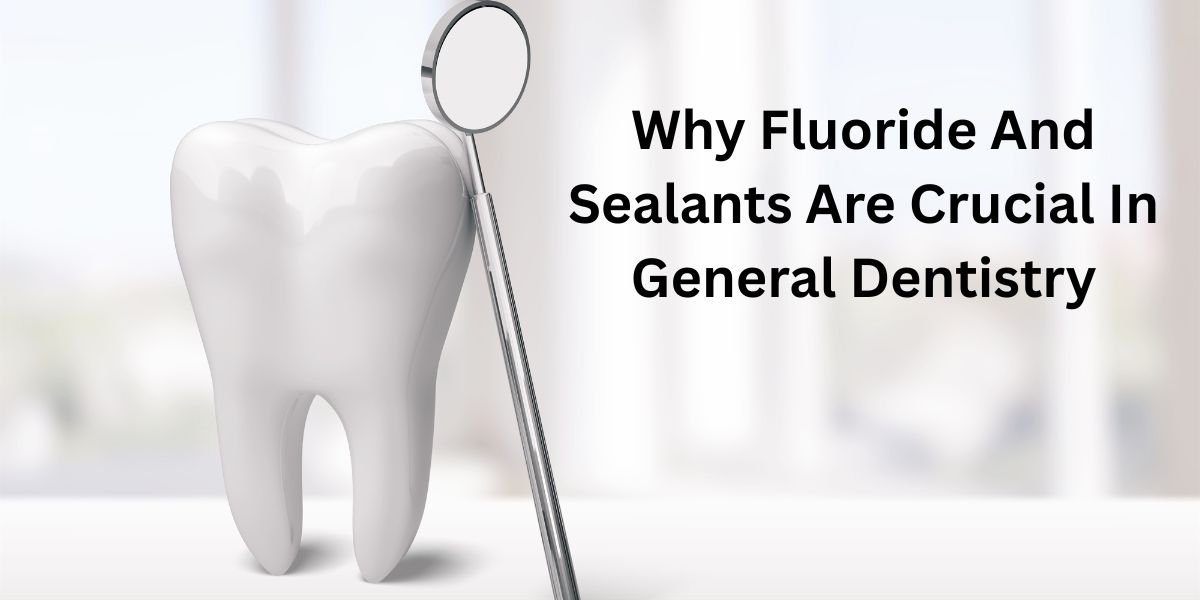
Healthy teeth do not happen by accident. You need simple tools that protect your mouth every single day. Fluoride and sealants do that work quietly, long before pain starts. Fluoride makes your tooth enamel harder. Sealants act like a shield over the grooves in your back teeth. Together, they cut your risk of cavities, root canals, and tooth loss. They also lower your dental bills and the time you spend in the chair. At a Leduc dental clinic, your dentist can use fluoride and sealants in a routine visit. You spend a few extra minutes. You gain years of protection. This blog explains what fluoride does, how sealants work, and when you or your child should get them. You will see how small choices now protect your smile, your comfort, and your budget.
What Fluoride Does For Your Teeth
Fluoride is a natural mineral. It mixes with your saliva and joins with your tooth enamel. This makes the outer layer of your teeth stronger. It also helps repair early stages of decay before a cavity opens.
You meet fluoride in three main ways:
- In tap water in many towns and cities
- In toothpaste and mouth rinses
- As a paint-on or foam treatment at the dentist
Public health groups have studied fluoride for many years. The Centers for Disease Control and Prevention calls water fluoridation one of the biggest public health steps in modern history. Children in places with fluoridated water have fewer cavities. Adults keep their teeth longer.
Fluoride is safe when used in the right amount. You only need a small pea sized smear of fluoride toothpaste for children over age three. You can use a rice grain sized smear for younger children who cannot spit yet. You can talk with your dentist about whether your home water has enough fluoride. You can also ask about prescription strength toothpaste if you or your child get many cavities.
How Dental Sealants Work
Sealants are thin plastic coatings. Dentists place them over the chewing surfaces of back teeth. These teeth have deep grooves that trap food and germs. A toothbrush often misses these spots. That is why most cavities in children start in these grooves.
A sealant fills and covers the grooves so food and germs cannot sit there. The tooth then has a flat surface that is easier to clean. The process is simple and comfortable.
You can expect three main steps:
- The tooth is cleaned and dried
- A mild gel is placed for a few seconds then rinsed off
- The liquid sealant is painted on and hardened with a light
The tooth stays intact. No drilling. No numbing. Your child can eat right away. Sealants can last many years with normal care. They can also be checked and repaired in routine visits.
The National Institute of Dental and Craniofacial Research reports that sealants can stop most cavities on treated chewing surfaces when they stay in place. This is strong protection for a short visit.
Fluoride And Sealants: Side By Side
Fluoride and sealants work in different ways. You get the best protection when you use both. This table shows a simple comparison.
| Feature | Fluoride | Sealants |
|---|---|---|
| Main purpose | Strengthens tooth enamel on all teeth | Blocks food and germs in grooves of back teeth |
| Who benefits most | Children and adults with any cavity risk | Children and teens with new permanent molars |
| How it is given | Water, toothpaste, rinses, office treatments | Painted on chewing surfaces in a dental visit |
| Teeth covered | All teeth touched by saliva | Selected back teeth |
| Need for repair | Used daily as part of home care | Checked in visits and touched up if worn |
| Comfort level | No feeling for home use or office gels | No drilling and no numbing |
| Cost effect | Low cost and lowers decay over time | One time cost that can prevent many fillings |
When You Or Your Child Should Get Them
Timing matters for both fluoride and sealants. You can use this simple guide.
For fluoride:
- Use fluoride toothpaste as soon as the first tooth appears
- Have your child see a dentist by age one
- Ask about office fluoride every three to twelve months based on risk
For sealants:
- Ask for sealants when the first permanent molars come in around age six
- Ask again when the second permanent molars appear around age twelve
- Consider sealants for baby molars in children with many cavities
Adults can also get sealants. You might be a good match if you have deep grooves, a history of decay, or limits on what dental treatment you can afford. You and your dentist can review your mouth and choose teeth that would gain the most.
How These Treatments Protect Your Budget
Cavities do not stay small. A tiny untreated spot can grow into pain, infection, and broken teeth. That path often ends with root canals, crowns, or extractions. Each step hurts both your body and your wallet.
Fluoride and sealants cost much less than fillings and crowns. They also cost less time. You spend minutes in the chair instead of many long visits. Children miss less school. You miss fewer work hours. You also avoid the emotional strain of dental pain and emergency visits.
Think of fluoride and sealants as basic safety gear. You would not send a child on a bike without a helmet. You do not need to send their teeth into daily use without protection either.
How To Talk With Your Dentist
You have a right to clear answers. You can bring questions to your dentist at any visit. You might ask:
- Does my home water have fluoride
- Is my child at high risk for cavities
- Which teeth would gain from sealants
- How often should I get fluoride treatments
- What will this cost and what does my plan cover
Your dentist can show you your teeth in a mirror or on a screen. You can see the grooves and early weak spots. You can then choose fluoride and sealants with clear facts, not guesswork.
Taking The Next Step
You can protect your mouth with three simple moves. You can use fluoride toothpaste every day. You can keep regular checkups. You can ask for sealants for your children and for yourself if needed.
These steps do not feel dramatic. They are quiet habits. They also change the story of your mouth. Instead of waiting for pain, you act early. You stay in control. You keep your teeth strong, your smile steady, and your costs lower over time.