





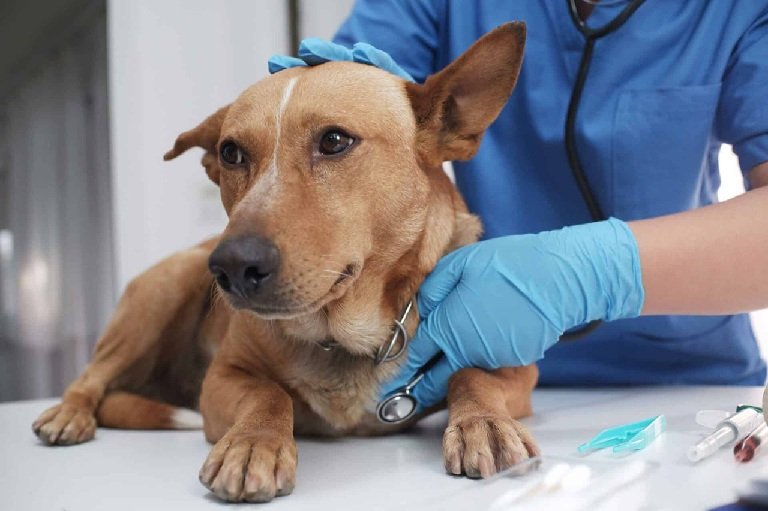
You care deeply about your pets’ health. It’s not just about treating them when they’re sick. Long-term preventive care plays a key role in keeping your pets healthy. The Radford, VA veterinary community emphasizes this approach. Prevention helps catch issues early, reducing potential suffering. This means fewer emergencies, less stress, and happier pets. Your veterinarian offers screenings, vaccinations, and dietary advice. These measures help prevent serious illness. Regular check-ups can alert you to potential problems before they become critical. This approach not only extends your pet’s life but also improves its quality. Your veterinarian’s guidance supports your goal of a long, healthy life for your pet. By investing in preventive care now, you help avoid more significant health issues down the road. This proactive approach is less costly and more effective. In the end, preventive care is a win-win for you and your beloved companions.
Understanding Preventive Care
Preventive care is a collection of practices aimed at keeping your pet healthy. It involves regular check-ups, vaccinations, and screenings. These steps help identify potential health issues early. Early detection minimizes the risk of serious illnesses. Your veterinarian provides advice on nutrition, exercise, and dental care, ensuring all aspects of your pet’s health are covered. This not only helps in extending their lifespan but also boosts their quality of life.
Benefits of Long-Term Care
Long-term care offers numerous benefits. Your pet experiences fewer illnesses and emergencies. You save money by avoiding costly treatments for preventable issues. Knowing your pet is healthy brings peace of mind. This approach also helps build a strong bond with your veterinarian, as they become familiar with your pet’s unique needs. A consistent health plan tailored to your pet ensures they receive the best care possible.
Comparing Costs: Preventive vs. Emergency Care
One major concern for pet owners is cost. Preventive care may seem expensive upfront. However, it is cost-effective in the long run. To illustrate this, here’s a comparison:
| Service | Preventive Care Cost | Emergency Care Cost |
|---|---|---|
| Annual Check-up | $50-$100 | Not Applicable |
| Vaccinations | $20-$150 per year | $500-$1,000 (if illness occurs) |
| Dental Cleaning | $200-$400 | $1,000-$3,000 (if dental disease occurs) |
| Screenings and Tests | $100-$200 annually | $500-$2,000 (if untreated illness develops) |
Proven Strategies for Prevention
Effective preventive strategies include regular vet visits, vaccinations, and maintaining a healthy weight. Regular vet visits help in early detection of diseases. Vaccinations protect your pet from severe illnesses like rabies and distemper. A balanced diet and regular exercise keep your pet fit. Dental hygiene is equally important. Brush your pet’s teeth regularly to prevent gum diseases. Spaying or neutering reduces the risk of certain cancers and unwanted behaviors. Together, these strategies form a comprehensive prevention plan.
Resources and Guidance
Your veterinarian is your primary resource for preventive care guidance. They offer personalized advice based on your pet’s specific needs. It’s essential to follow their recommendations closely. For additional tips, refer to reputable resources like the American Veterinary Medical Association. This trusted source offers valuable insights into pet health. They provide information on vaccinations, nutrition, and much more. Staying informed equips you to make the best decisions for your pet’s well-being.
Conclusion
Long-term preventive care is the cornerstone of your pet’s health. It ensures early detection and prevention of serious issues. By focusing on regular check-ups and a healthy lifestyle, you enhance your pet’s life. This approach is less stressful, more effective, and saves money. Embracing preventive care supports a long, healthy, and fulfilling life for your beloved companion. Trust your veterinarian’s guidance and stay proactive. Your pet’s health and happiness depend on it.