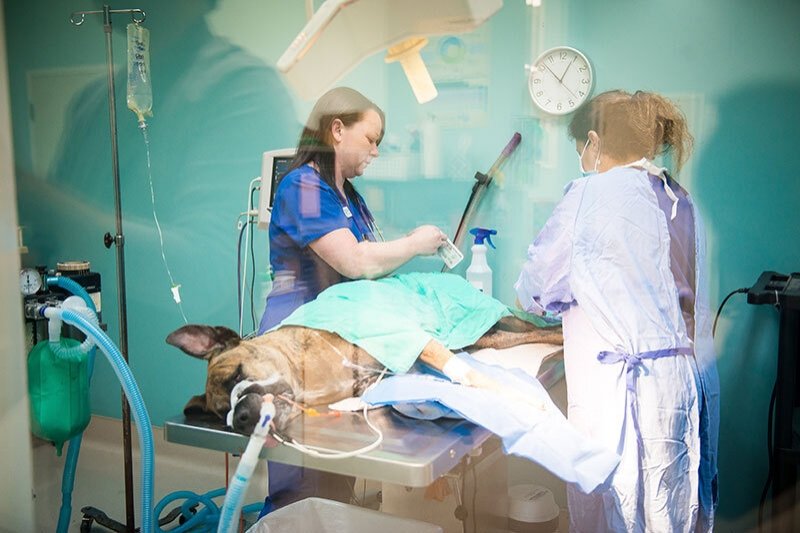





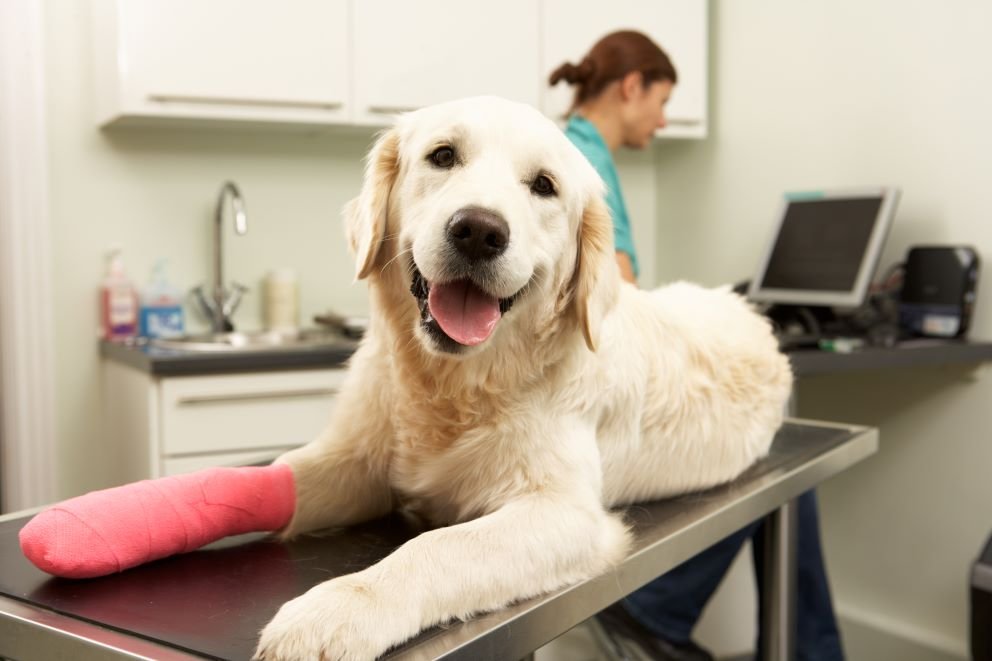
Visiting the vet can be tough for your pet. The unfamiliar environment and strange noises can make them anxious. You can make these visits less stressful. Planning and understanding their needs can help. As a pet owner, you want the best for your furry friend. You know that their health matters. A veterinarian Murrieta, CA can provide guidance, but you play the biggest role. By preparing well, you ease your pet’s fears. Consider these six practical tips. They focus on making vet visits smoother. Familiarity and consistency are key. When you use these methods, your pet feels secure. You build trust and comfort in an otherwise stressful situation. Follow these steps to create a positive experience. Your pet deserves care without fear. Remember, you are not alone. Many pet owners face this challenge. Together, you can help your pet feel calm and safe at the vet.
1. Choose the Right Carrier
Picking the right carrier matters. It should be sturdy and comfortable. Allow your pet to explore it at home. This way, it becomes a safe space. Before the visit, place familiar items like a favorite blanket inside. The familiar scent helps reduce anxiety. According to this article, carriers should be well-ventilated and provide a clear view for the pet.
2. Practice Car Rides
Pets often associate car rides with vet visits. Break this association by taking your pet on regular short trips. These should not always end at the vet. Visit a park or a friend’s house. Gradually, increase the length of these trips. Over time, your pet will start to enjoy car rides. They no longer signal a stressful vet visit.
3. Minimize Waiting Time
Long waits increase stress. Schedule appointments during less busy hours. Try not to arrive too early. If possible, wait in the car until the vet is ready. This minimizes exposure to other animals. A calm environment prevents added stress for your pet.
4. Handle with Care
During the visit, hold your pet securely. Your touch reassures them. Speak in a calm, soothing voice. This fosters a sense of safety. Avoid sudden movements or loud noises. They can startle your pet, increasing anxiety.
5. Positive Reinforcement
Rewards encourage calm behavior. Bring your pet’s favorite treats to the vet. Reward them during and after the visit. According to the American Veterinary Medical Association, treats and praise help reinforce positive behavior. Your pet begins to associate vet visits with positive experiences.
6. Regular Check-Ups
Routine visits reduce stress over time. Familiarity builds comfort. Your pet learns there is nothing to fear. Regular health check-ups also prevent illnesses. Healthy pets are happier and more relaxed.
Comparison of Stress Factors and Solutions
|
Stress Factor |
Solution |
|---|---|
|
Unfamiliar Surroundings |
Use a familiar carrier with scents |
|
Fear of Car Rides |
Practice frequent short trips |
|
Long Waits |
Schedule during less busy hours |
|
Handling by Strangers |
Positive reinforcement with treats |
In conclusion, by taking these proactive steps, you ease the stress of vet visits for your pet. Your role in their comfort is significant. With careful planning, empathy, and patience, you transform the vet visit into a positive experience. Your pet will thank you with calm and relaxed behavior.