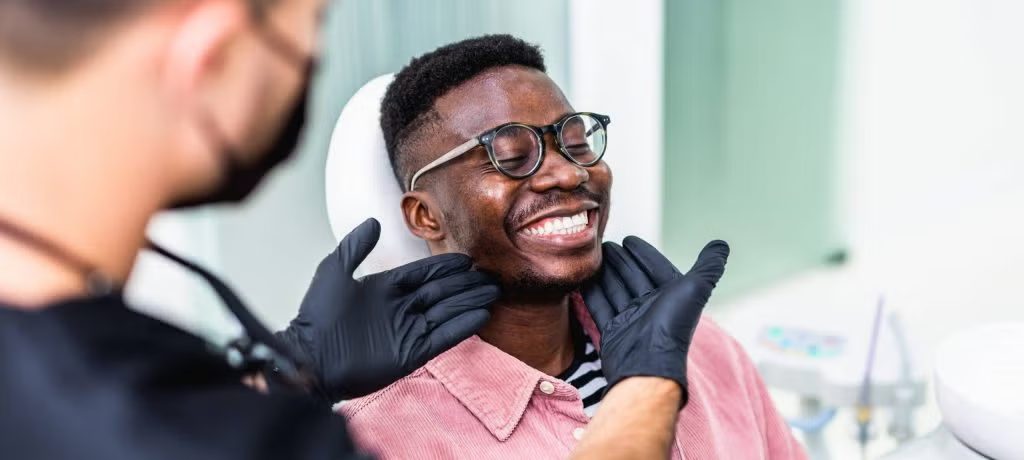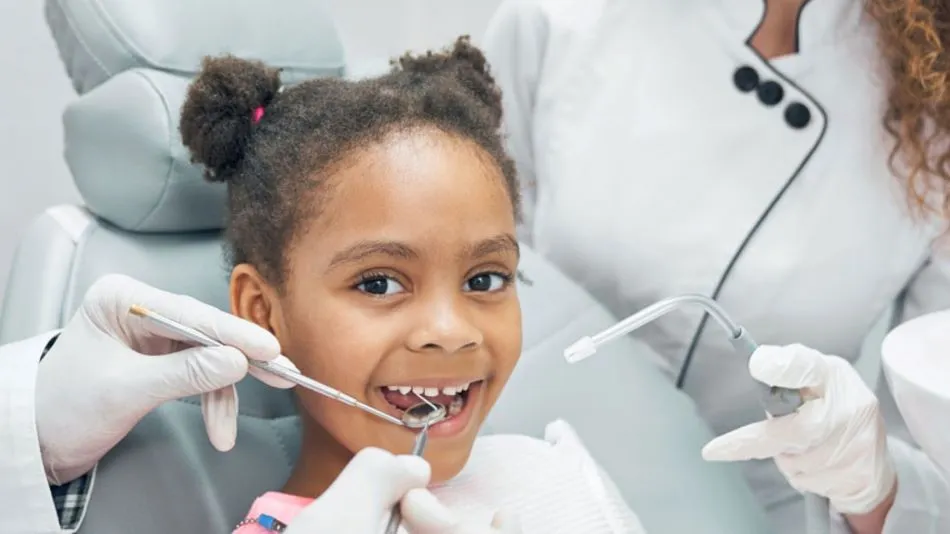




Innovation in general dentistry affects every visit you make. You see it in the tools, the timing, and the way your dentist plans your care. Today your routine cleaning can include digital images, early decay checks, and quiet treatment options that reduce stress. A Fort Atkinson, WI dentist uses new methods that shorten appointments and support your long term health. You get clearer answers, less guessing, and faster healing. New materials help your teeth stay strong. Updated scanners help your dentist see trouble before you feel pain. Modern systems also keep your records safe and easy to share when needed. This blog explains five clear ways general dentistry brings new ideas into daily care. You can use this guide to ask better questions and feel more in control of your health.
1. Digital X‑rays and 3D imaging
You used to wait for film to develop. Now digital X‑rays appear on a screen in seconds. Your dentist can zoom in, change contrast, and show you exactly where a problem sits. This helps you see what is going on inside your mouth and understand choices.
Digital X‑rays use less radiation than older film systems. The National Cancer Institute explains that dental X‑rays are a low source of exposure. Even so, less exposure still helps. Children, pregnant people, and people with past cancer treatment often feel more at ease with this change.
Many offices also use 3D cone beam imaging. This scan gives a three dimensional picture of your teeth, jaw, and sinuses. Your dentist can plan implants, check wisdom teeth, and study bone loss with more accuracy. You get treatment that fits your mouth, not a rough guess.
Digital X‑rays vs Traditional Film X‑rays
|
Feature |
Digital X‑rays |
Film X‑rays |
|---|---|---|
|
Image time |
Seconds |
Several minutes |
|
Radiation dose |
Lower |
Higher |
|
Image sharing |
Easy email or secure portal |
Mail or physical pickup |
|
Image quality |
Can zoom and adjust |
Fixed once developed |
|
Storage |
Electronic |
Physical film |
2. New cavity detection tools
You may remember the sharp metal probe that pressed into each tooth. Many dentists now use light or laser based tools to check for decay. These tools measure how tooth structure reflects light. Early decay shows up as a small change in the reading.
This matters because decay starts long before you feel pain. The National Institute of Dental and Craniofacial Research explains that tooth decay is a process that you can slow or stop in early stages. When your dentist catches a weak spot early, you might avoid a filling. You might use fluoride, sealants, or changes in diet to harden the tooth instead.
These tools also help with children and people with fear. Your dentist can often scan teeth without scraping. You get a calmer visit and your dentist still gets clear data.
3. Stronger, tooth colored materials
Old silver fillings work, but they stand out. Many general dentists now use tooth colored resin or ceramic. These materials blend with your teeth. They also bond to tooth structure in a way that can support the remaining tooth.
Modern resins and ceramics handle chewing force well. They help avoid cracks that sometimes form around large metal fillings. Your dentist can often remove less healthy tooth because the material bonds tightly in place. You keep more of your natural tooth for longer.
Crowns and partial crowns also changed. Many offices use same day crown systems. A digital scanner captures your tooth. A milling unit shapes a ceramic block to match. You may leave with a finished crown after one long visit instead of two visits with a temporary crown in between.
4. Comfort focused treatment options
Innovation is not only about machines. It is also about how you feel during and after care. Many general dentists use quieter tools, smaller needles, and numbing gels. You may listen to music or wear headphones to block sound.
Some offices offer laser treatment for certain procedures. Lasers can reshape gum tissue, treat small cavities, or help with cold sores. In some cases you may not need numbing. Healing can feel easier because the laser seals small blood vessels and nerve endings as it moves.
Sedation options also changed. For people with deep fear, strong gag reflex, or special health needs, your dentist might suggest oral medication or inhaled gas. Careful screening and monitoring keep this safe. You get needed care without feeling trapped by fear.
5. Smarter records, planning, and prevention
Dental records used to sit in paper charts. Now many offices use secure electronic health records. Your dentist can track images, notes, medicines, and allergies in one place. This reduces mix ups and helps when you see a specialist.
Many systems also use risk based planning. Your dentist looks at your history, diet, home care, health conditions, and past decay. You then get a plan that fits your risk level. That might mean more fluoride, shorter recall times, or guidance about dry mouth.
Some offices link your dental record with your medical record. This supports safer care for people with heart disease, diabetes, pregnancy, or blood thinners. It also reflects growing evidence that oral health and body health connect in many ways.
How you can use this innovation
- Ask your dentist what digital tools they use and why
- Request that your dentist show you images on the screen
- Talk about your fear or past trauma so your dentist can adjust
You deserve care that feels calm, clear, and safe. Innovation in general dentistry aims for that goal. When you understand these tools, you can take an active role, protect your mouth, and support your health with more confidence.