




Your family depends on you to protect their health before problems grow. Routine checkups catch silent risks early. They also lower medical bills and stress over time. This blog explains 5 preventive services that you should schedule on a regular schedule. First, you will see why yearly physicals matter for every age. Next, you will read about screening tests that find disease before symptoms start. You will also learn how vaccines protect children, adults, and older parents. In addition, you will see why eye exams and hearing checks guard school performance and work safety. Finally, you will understand how regular cleanings with a dentist in Pleasanton, CA support your heart and overall health. You do not need to wait for a scare. You can set up these appointments now and give your family a sense of control, safety, and relief.
1. Yearly Physicals: Your Health Snapshot
You should treat a yearly physical like a health report card. It shows what is working and what needs care. You meet with a primary care provider. You review medical history, medicines, and daily habits.
During a yearly physical, you can expect three main steps.
- Review of your health story and family history
- Head to toe exam with heart, lungs, and skin checks
- Basic tests such as blood pressure and weight
These visits help you track blood pressure, weight, and mood over time. You can talk about sleep, stress, and use of tobacco or alcohol. You can catch high blood pressure or diabetes before they harm your heart, kidneys, or eyes.
The Centers for Disease Control and Prevention explains how routine care prevents disease and saves money.
2. Screening Tests: Finding Silent Problems Early
Screening tests look for disease before you feel sick. Many conditions grow without clear signs. You may feel fine while damage builds inside your body.
Common screening tests include three groups.
- Blood tests for cholesterol and blood sugar
- Cancer checks such as mammograms and colon exams
- Checks for infections such as hepatitis or HIV when needed
Your age, sex, and family history shape which tests you need. You should talk with your provider about the right schedule. The U.S. Preventive Services Task Force gives science based advice on tests that work best.
Use this simple table as a starting guide. It does not replace medical advice. It helps you plan questions for your next visit.
|
Screening |
Typical Starting Age |
Common Frequency |
|---|---|---|
|
Blood pressure |
18 years |
At least once every year |
|
Cholesterol |
20 to 35 years |
Every 4 to 6 years or as advised |
|
Type 2 diabetes |
35 years |
Every 3 years or as advised |
|
Colorectal cancer |
45 years |
Every 1 to 10 years based on test type |
|
Breast cancer (mammogram) |
40 to 50 years |
Every 1 to 2 years |
You should bring this table to your visit. You can ask which row fits you and which tests you can skip or change.
3. Vaccines: Shielding Every Generation
Vaccines train your immune system to fight germs. They reduce serious illness from flu, COVID, pneumonia, and other infections. They also guard babies, grandparents, and anyone with weak immune systems.
Every family needs three main vaccine steps.
- Keep children on the routine shot schedule
- Update teen and adult shots such as tetanus and HPV
- Get yearly flu shots and other seasonal shots when advised
You can keep a simple card or phone note with vaccine dates. You can bring it to each visit. You can ask your provider to review gaps. This simple step protects your home, school, and work place from outbreaks.
4. Eye and Hearing Exams: Protecting How You Learn and Work
Your eyes and ears shape how you learn, work, and stay safe. Small changes in vision or hearing can cause headaches, poor grades, and work mistakes. You may not notice slow change. Regular exams find these shifts early.
Children need vision and hearing checks before school and at regular visits. You can ask for a full exam if teachers notice squinting, trouble reading, or lack of focus. Adults need exams for driving safety, computer work, and balance. Older adults face higher risk of falls when vision or hearing fades.
Most families do well with three routines.
- Vision check at least every 1 to 2 years
- Hearing check for children when speech or school problems appear
- Hearing test for adults who notice ringing, muffled sound, or trouble in crowds
These exams also find eye disease and ear infections that can lead to permanent loss when ignored.
5. Dental Checkups: Mouth Health and Whole Body Health
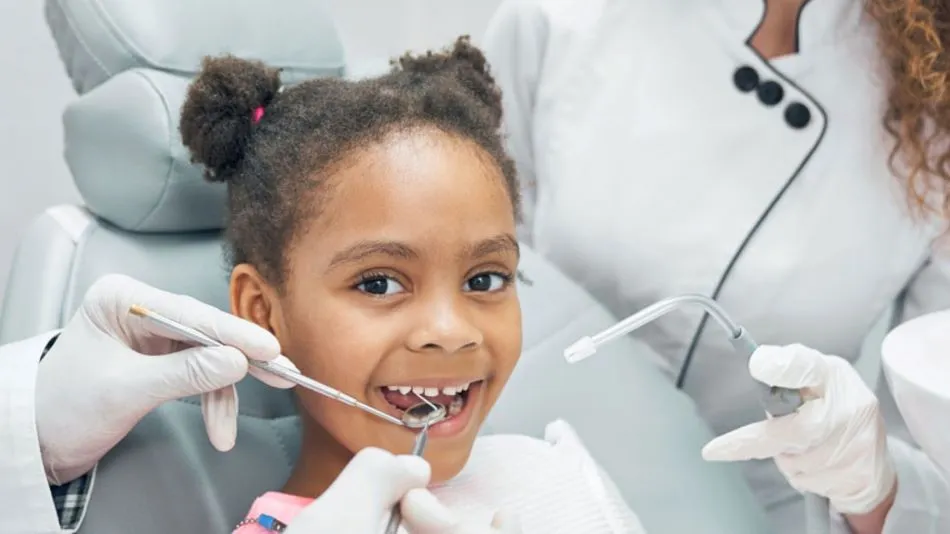
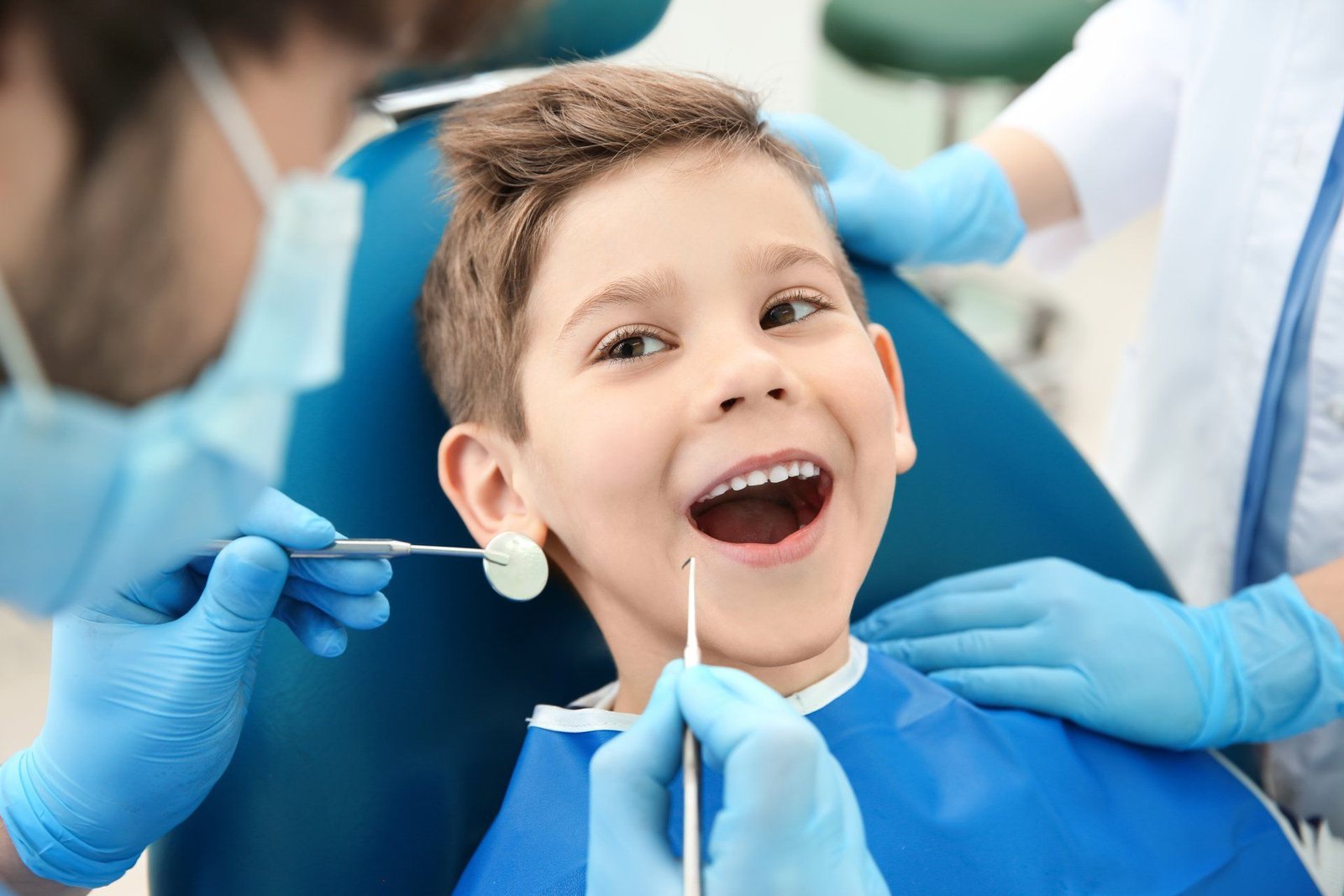
Your mouth shows early signs of many health problems. Gum disease links to heart disease and poor blood sugar control. Regular visits with a dentist in Pleasanton, CA or your local clinic keep your teeth and gums clean. They also protect your heart and other organs.
You should plan three steady habits.
- Dental exams and cleanings every 6 months
- Daily brushing with fluoride toothpaste at least twice a day
- Daily flossing between teeth
Children who see a dentist by age 1 grow up less afraid of dental care. They also get fewer cavities. Adults who keep dental visits miss fewer work days due to tooth pain. These visits cost less than root canals or extractions.
Putting It All Together: Build Your Family Schedule
You can turn these services into a simple yearly plan. You do not need a complex system. You can use three steps.
- Pick one month each year to review checkups and shots
- Write dates in a calendar or phone for each family member
- Call clinics early to book visits at times that fit school and work
You may feel tired by one more task. Yet skipping preventive care often leads to long nights in urgent care or the hospital. Early action gives you more peace, lower bills, and more time with the people you love.